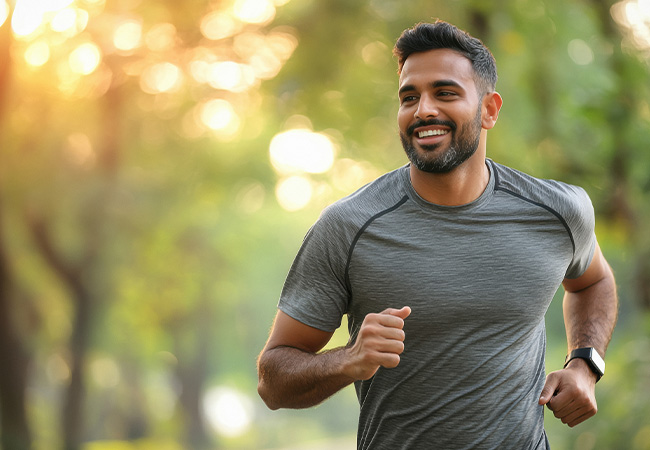
Physical Therapy Can Help You
Resolve Unwanted Knee Pain
Knee pain is a common complaint that affects people of all ages, often hindering their ability to perform everyday activities and enjoy a high quality of life. Whether resulting from injury, arthritis, or overuse, knee pain can be debilitating.
Fortunately, physical therapy at Alpine Physical Therapy and Sports Performance offers hope for those seeking relief. This article shares the journey of Alex, a 40-year-old marathon runner, who found relief from persistent knee pain through the expert care of our skilled therapists.
The Onset of Pain
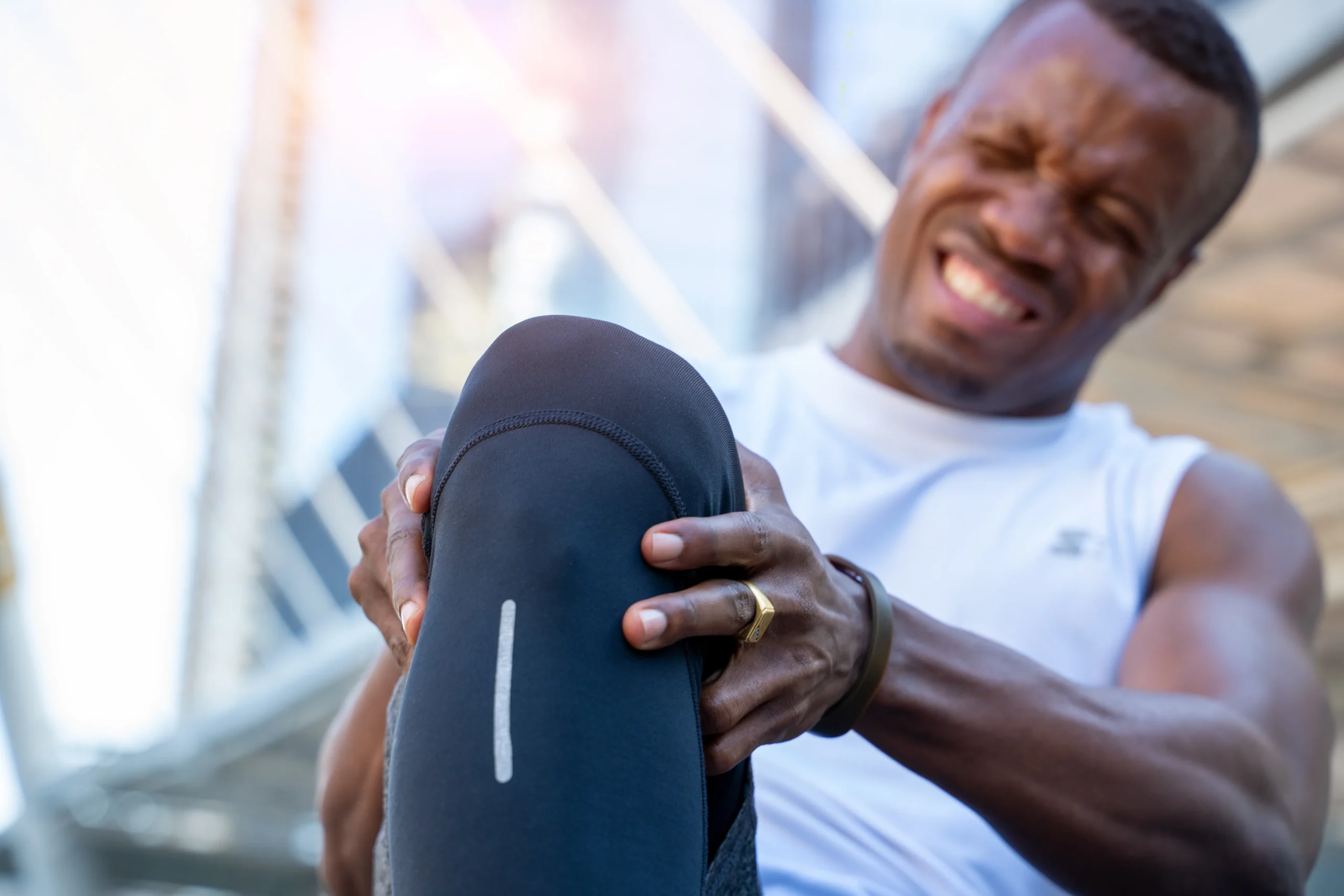
Alex’s passion for running was undeniable. Completing several marathons each year, he was no stranger to the physical demands of long-distance running. Unfortunately, Alex began experiencing sharp pains in his right knee, particularly during and after runs. Initially dismissing it as regular wear and tear, he soon realized the pain was not subsiding but worsening with time.
Seeking Help
After several weeks of persistent pain, Alex knew he needed professional help. His search for a solution led him to Alpine Physical Therapy and Sports Performance, known for our team of experienced physical therapists specializing in sports injuries. From the moment he walked in, Alex felt a sense of hope. The clinic’s approach was about alleviating pain, understanding its root cause, and preventing future issues.
The Physical Therapy Journey Begins
Alex’s journey began with a comprehensive assessment that included a detailed discussion of his running habits, knee pain history, and a physical examination to assess his knee’s strength, flexibility, and alignment.
Our clinic’s expertise in sports injuries came to the forefront with a detailed analysis of Alex’s running gait. His therapist identified several inefficiencies in his running form contributing to his knee pain.
His therapist determined Alex was dealing with patellofemoral pain syndrome (PFPS), a common issue among runners characterized by pain around the kneecap. His therapist explained that Alex’s pain was likely due to a combination of overuse, improper running technique, and muscular imbalances.

Tailored Treatment Plan
Understanding the specifics of Alex’s condition, the therapist devised a personalized treatment plan. The multifaceted plan addressed Alex’s knee pain symptoms and underlying causes.
Manual Therapy
Strengthening Exercises
Motor Control Exercises
Education and Preventive Strategies
Patient Success Story
“I highly recommend Zach at Alpine Physical Therapy. I injured my rotator cuff in a bike crash. Zach knew exactly how to rehab it, with a gradual progression of exercises that isolated/repaired the injured muscles and strengthened the supporting muscles around them. 4 months and 10 appointments later, my injury is completely healed. Thanks, Zach!” – B.H.
The Road to Recovery
Alex’s dedication to physical therapy paid off as he noticed a significant reduction in knee pain, improved running efficiency, and a newfound awareness of protecting his knees from injury. The holistic approach at Alpine Physical Therapy and Sports Performance addressed Alex’s pain and equipped him with the knowledge and tools to maintain knee health in the long run.
But Alex’s journey was about more than just overcoming knee pain. It was a transformative experience that reshaped his relationship with running. He emerged from physical therapy as a runner and an informed athlete, mindful of his body’s signals and the importance of balance in training.
Conclusion: A Testament to the Power of Physical Therapy
Alex’s story is a testament to the effectiveness of physical therapy in resolving unwanted knee pain. At Alpine Physical Therapy and Sports Performance, the combination of expert assessment, personalized treatment, and a commitment to patient education proved to be a winning strategy.
Alex’s journey offers hope and inspiration for anyone struggling with knee pain. If you’re dealing with knee pain, call our team and schedule a consultation today!
Sitting is the New Smoking:
3 Tips For Staying Active
Think about your typical day. How much of it is spent sitting? If you’re like most people, the answer is–a lot. We sit at our desks for work. We sit in a car to run errands. We sit on the couch to watch TV at night.
All this sitting is having a big impact on our health. In addition to contributing to back pain, prolonged sitting raises our risk of heart disease, diabetes, and even cancer.
Fortunately, you don’t have to train like an Olympic athlete to counteract the negative effects of sitting–all it takes is a few simple tweaks to your day!
- Tip 1: Take frequent breaks. If you have a desk job, set a timer to remind you to get up every 30 – 60 minutes to move around. Take a few minutes to grab some water, walk around the office, or stretch.
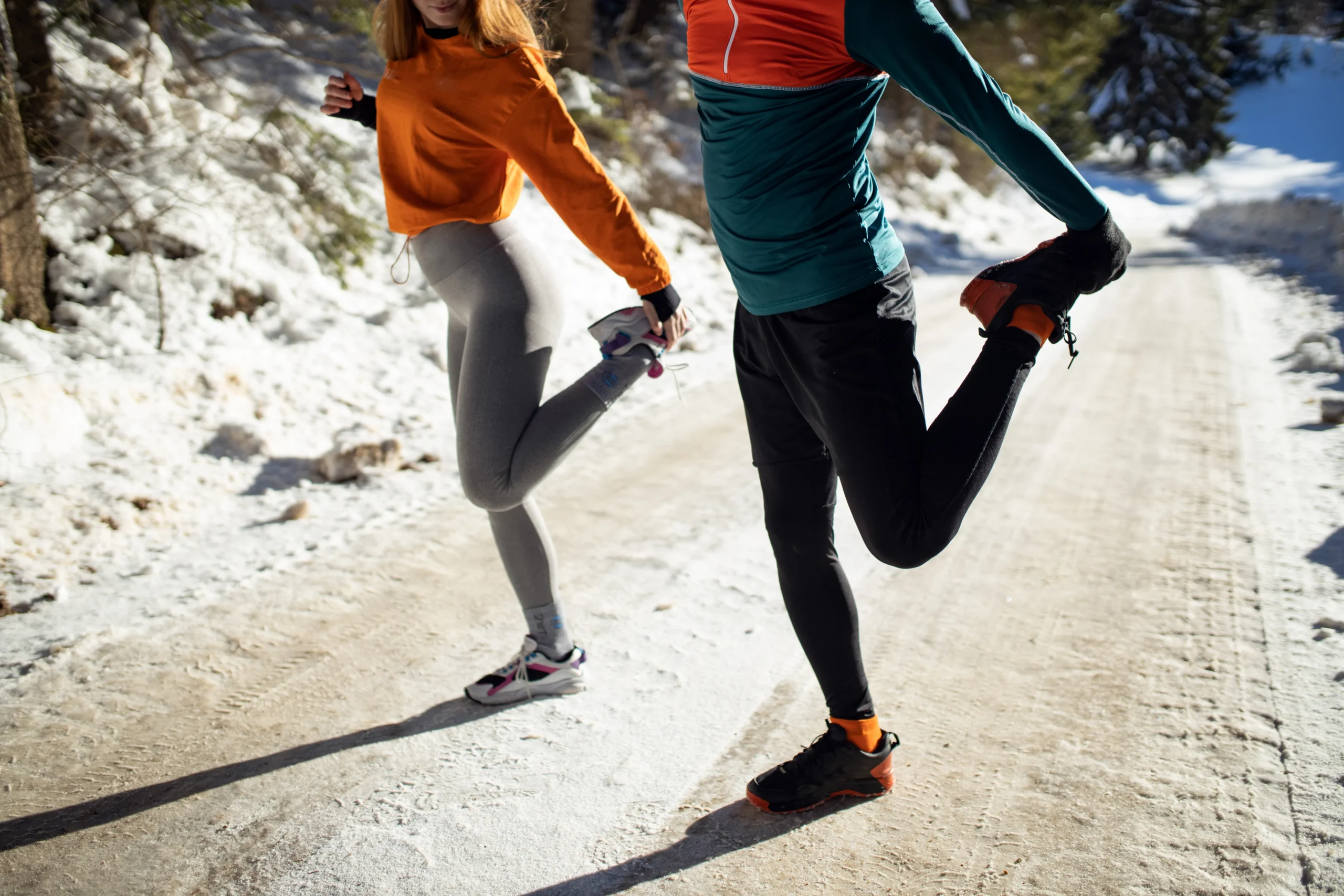
- Tip 2: Stretch while you watch TV. If you love to relax in front of the TV, incorporate some stretches as you watch your favorite shows.
- Tip 3: Pick up a new hobby. Movement-based leisure activities are a great way to incorporate movement into your day, and you aren’t limited to sports, either. Gardening, dance classes, and walking groups are all excellent options.
Want to learn more about the risks of sitting and how to avoid them? Schedule an appointment with Alpine Physical Therapy and Sports Performance today!
Exercise Of The Month
Heel Slides
- Start by sitting on the floor with both legs extended out in front of you and your back flat.
- Loop a strap around your foot on your injured leg and place a towel under your heel.
- Slowly pull your heel toward your butt by tugging on the strap until you have reached your max comfortable range of motion.
- Slowly allow your heel to slide back out until your leg is straight.
- 3 Sets, 10 Reps. (Materials needed: towel, belt)
Have questions? Don’t hesitate to make an appointment and get them answered!
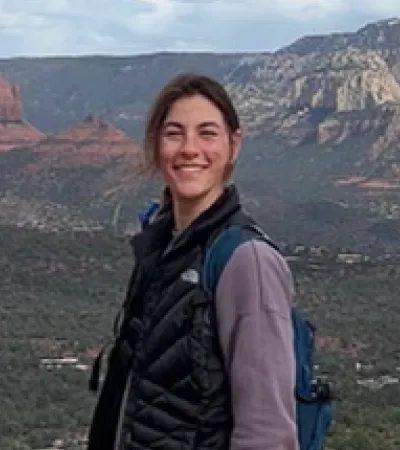
Dr. Maddie Margolis
DPT
My own experience with sports injuries led me to pursue physical therapy and continues to fuel my passion for helping athletes and active individuals function at their highest level. I strive to create personalized, evidence-based treatment plans that support both recovery and performance.
I am a certified yoga teacher and dry needling practitioner, and I take a balanced approach by integrating functional movement with manual therapy techniques to help clients make meaningful change and progress toward their goals.
Outside the clinic, you’ll find me hiking, camping, skiing, paddleboarding, or taking any opportunity to get into the mountains. My goal is to work with you to create a plan that helps you move confidently, stay active, and feel your best.
Debunking the Myth That Running Causes Osteoarthritis
Osteoarthritis (OA) is a degenerative joint disease characterized by the breakdown of cartilage in the joints, leading to pain, stiffness, and impaired mobility. While there is a common misconception that running contributes to the development of OA, numerous studies have shown this to be a myth.
Running has various health benefits, including improved cardiovascular fitness and weight management, which support joint health. In addition, movement, including running, helps keep the cartilage in the knee healthy.
Research has highlighted other factors that are contributors to the development of knee OA:
- Age: Aging is the most significant risk factor for OA. As individuals age, the cartilage in their joints naturally undergoes wear and tear, making them more susceptible to degeneration.
- Genetics: Genetic factors play a crucial role in determining an individual’s susceptibility to OA. Certain genetic variations have been associated with an increased risk of developing OA in various joints, including the knee.
- Previous joint injuries: Previous knee injuries, such as ligament or meniscus tears, can predispose individuals to OA later in life. The trauma from these injuries can accelerate the degenerative process in the affected joint.
- Obesity: Excess body weight places additional stress on the knee joints, leading to accelerated cartilage breakdown and an increased risk of developing OA. Maintaining a healthy weight through regular exercise and a balanced diet can help reduce the risk of OA.
- Joint misalignment or instability: Abnormalities in joint structure or function, such as malalignment or instability, can lead to uneven distribution of forces within the knee joint, contributing to cartilage degeneration and OA development.
The bottom line is that running does not cause knee OA. At Alpine Physical Therapy and Sports Performance, our therapists understand the risk factors associated with knee arthritis and will provide programs to preserve your joint health and reduce the burden of OA so you can keep running!
Recipe of the Month: Nutty Banana Muffins

Ingredients:
For the crumble:
- 2 tbsps old-fashioned oats
- 2 tbsps sliced almonds
- 1 tbsp sesame seeds
- 1 tbsp brown sugar
- 1/4 tsp ground cinnamon
- pinch of salt
For the batter:
- 1 1/4 cups flour
- 1/4 c + 1 tbsp almond flour
- 3/4 tsp ground cinnamon
- 1/2 tsp salt
- 2 tsps baking powder
- 1 tsp baking soda
- 1/3 cup olive oil
- 1/3 cup maple syrup
- 1 tbsp vanilla
- 1 tbsp nut butter
- 3 large bananas
Instructions:
- Preheat oven to 350 F. Line a muffin tray with parchment or cupcake liners. Set aside. Mix the crumble ingredients together in a small bowl. Set aside. Prep the dry ingredients.
- Whisk together the flour, almond flour, cinnamon, salt, baking powder, and baking soda. Set aside.
- In the bowl of a stand mixer, add the olive oil, maple syrup, vanilla, and nut butter. Whisk together until smooth. Using the paddle attachment, incorporate bananas into the nut butter mixture.
- Add the dry ingredients to the wet and mix together just until combined. With a spatula, scrape the bottom of the bowl to ensure even mixing.
- Scoop the batter evenly between the muffin liners. Evenly divide the crumble over the top of the batter in each liner.
- Place filled muffin tray on the middle rack of the oven and bake for 25-30 minutes, until a toothpick comes out clean. Remove muffins from oven and let cool in the tray for five minutes on a cooling rack.
- Remove muffins from tray and let finish cooling on the rack. Enjoy!
Sources
- https://camillestyles.com/food/vegan-banana-muffins/
- https://www.ncbi.nlm.nih.gov/pmc/articles/PMC7661565/,
- https://pubmed.ncbi.nlm.nih.gov/32161824/,
- https://www.ncbi.nlm.nih.gov/pmc/articles/PMC6829001/
- https://www.nih.gov/news-events/nih-research-matters/light-activity-may-lower-harmful-effects-sitting
- https://www.ncbi.nlm.nih.gov/pmc/articles/PMC9983113/,
- https://pubmed.ncbi.nlm.nih.gov/27519678/