How Physical Therapy Can Help with Rotator Cuff Injuries
Imagine waking up one morning, eager to start your day, but as you attempt to brush your teeth, the pain in your shoulder sends a searing wave of discomfort through your entire arm.
Suddenly, the simplest tasks become challenging.
This scenario is all too familiar for individuals dealing with rotator cuff injuries, which can severely limit daily life functions. However, there is hope in the form of physical therapy—a proven and effective way to regain strength, mobility, and overall shoulder function.
At Alpine Physical Therapy and Sports Performance, our physical therapists are highly trained and understand how important it is to resolve your shoulder pain. We’ll get to the root of your problem and provide clear guidance to help you recover sooner rather than later!
Contact our skilled team of physical therapists today and get started on your road to recovery!

The Impact of a Shoulder Injury
Rotator cuff injuries can disrupt your life in many ways, affecting your physical abilities and overall well-being. Some common limitations and challenges individuals face due to shoulder pain include:
- Painful Movements: Simple actions like reaching for an item on a high shelf, combing your hair, or even tucking in your shirt can become excruciatingly painful.
- Sleep Disturbances: Many people with shoulder injuries struggle to find a comfortable position, leading to disrupted sleep patterns and fatigue.
- Limited Range of Motion: Reduced shoulder mobility can hinder your ability to perform essential tasks, such as putting on a seatbelt or reaching behind your back.
- Loss of Strength: Weakness in the affected arm can make lifting even lightweight objects a daunting challenge.
For those grappling with these challenges, seeking help from Alpine Physical Therapy and Sports Performance can be a game-changer!


Patient Success Story
“I am a collegiate athlete recovering from a major knee injury. I was able to work with Kelsey at Alpine for only a month between semesters, and I saw a 15% strength increase in only that month! She was so kind while also pushing me to my limit every session. I greatly appreciate the work they did for me as it’s gotten me steps closer to returning to the court. Additionally, the facility itself was very nice and had everything you could need. Highly recommend!!” – Caty
The Role of Alpine Physical Therapy and Sports Performance in Your Recovery
When you consult a physical therapist for a rotator cuff injury, the initial evaluation is a critical step in the recovery process. Here’s what you can expect:
Your physical therapist will start by discussing your medical history, including the onset and nature of your shoulder pain, any previous injuries, and your overall health.
A thorough physical examination follows, focusing on the affected shoulder. This includes assessing your range of motion, strength, and any signs of inflammation or instability. To understand how your injury impacts your daily life, your therapist will assess your ability to perform essential tasks like reaching, lifting, and dressing.
Based on the evaluation findings, your physical therapist will provide a diagnosis and work with you to establish clear goals for your rehabilitation.
Next, your therapist will design a program tailored to your unique needs, including:
- Manual Therapy: Physical therapists often use manual therapy techniques, including joint mobilizations and soft tissue mobilizations, to alleviate pain and improve shoulder mobility. These techniques have been shown to reduce pain and enhance range of motion in individuals with rotator cuff injuries.
- Therapeutic Exercises: A customized exercise program is a cornerstone of rotator cuff rehabilitation. Therapists prescribe exercises that target specific muscle groups, gradually improving strength and function.
- Home Exercise Programs: Physical therapists provide patients with home exercise programs to promote continuity of care. Consistent adherence to these programs can improve rotator cuff rehabilitation outcomes.
- Patient Education: Understanding the injury and learning how to prevent future problems is crucial. Our physical therapists educate patients about proper shoulder mechanics, posture, and ergonomics to reduce re-injury risk.
As you continue to progress in your recovery, functional training becomes vital. Tasks like lifting, reaching, and carrying are integrated into the rehabilitation program to ensure you regain your ability to perform daily activities without pain or limitation.
Call Us Today
If you’re dealing with the challenges of a rotator cuff injury, don’t let it limit your life any longer. Seek the expertise of one of our highly skilled physical therapists who can provide a personalized treatment plan based on your unique needs and goals. Your path to regaining strength, mobility, and a pain-free shoulder begins with a simple but crucial step: reaching out to us today!
Don’t wait — start your journey towards recovery today!
Understanding Rotator Cuff Injuries: Signs and Symptoms
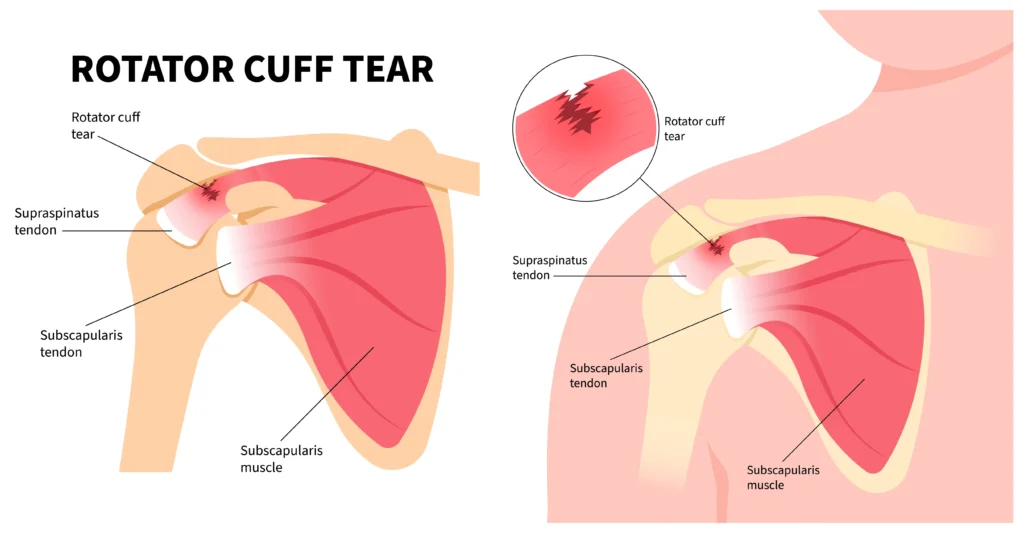
If you’ve been experiencing shoulder pain or discomfort, it’s essential to understand the signs and symptoms of a potential rotator cuff injury. By recognizing these indicators, you can take the crucial first step towards seeking appropriate care and embark on your path to recovery.
Rotator cuff injuries can vary in severity. In addition to pain, they often share these five signs and symptoms:
- Disturbed Sleep: Rotator cuff pain often worsens at night, interfering with sleep. Sleeping on the affected side can be particularly uncomfortable.
- Weakness: Individuals with a rotator cuff injury may experience weakness in the affected shoulder, making it challenging to perform tasks that require lifting, reaching, or holding objects.
- Limited Range of Motion: Reduced mobility in the shoulder is a common symptom. You may struggle to raise your arm, reach behind your back, or perform overhead activities.
- Difficulty with Daily Activities: Rotator cuff injuries can impact daily tasks such as combing hair, dressing, and reaching for items on high shelves. It can also affect sports and recreational activities.
- Gradual Onset: Some rotator cuff injuries develop gradually over time due to overuse, while others may result from a sudden injury or trauma, such as a fall or lifting heavy objects.
Taking the First Step Towards Recovery
It’s essential to seek help from one of our Alpine Physical Therapy and Sports Performance specialists if you experience any of these symptoms, as early intervention can lead to more effective treatment and improved outcomes. Our physical therapists can assess your shoulder and tailor a treatment plan to address your specific needs and goals.
Don’t wait to get help; call today and schedule a consultation!
Exercise Of The Month
BENT OVER ROWS
- Hold a weight in your hand. Slightly bend your knees and bend at your waist to bring your torso forward.
- Make sure your back remains flat and about parallel to the floor.
- Pull the weight towards you. Make sure your elbows stay close to your body.
- Slowly return to the starting position.
- 3 Sets, 10 Reps. (Materials needed: dumbbells)
Tee Up for a Healthy Golf Season
March marks the arrival of spring and the anticipation of a brand-new golf season. It’s not just about dusting off your clubs but also about prepping your body for the game. Here are some effective tips to ensure you swing into the new season at your best physical ability.
- Dynamic Warm-Up: Replace traditional static stretching with dynamic warm-ups like leg swings, arm circles, and torso rotations to prepare your muscles and joints for the various movements in golf.
- Balance and Coordination: Golf requires a high level of balance and coordination. Our therapists can give you drills to enhance your stability, which in turn will improve your swing.
- Soft Tissue Work: Use foam rollers or a massage stick to work on your soft tissue. This helps muscle recovery and keeps you loose and limber, reducing the risk of strains or sprains.
By incorporating these cutting-edge tips into your preparation, you’re setting yourself up for a healthier, more enjoyable golf season. May your drives be long and your putts be true!

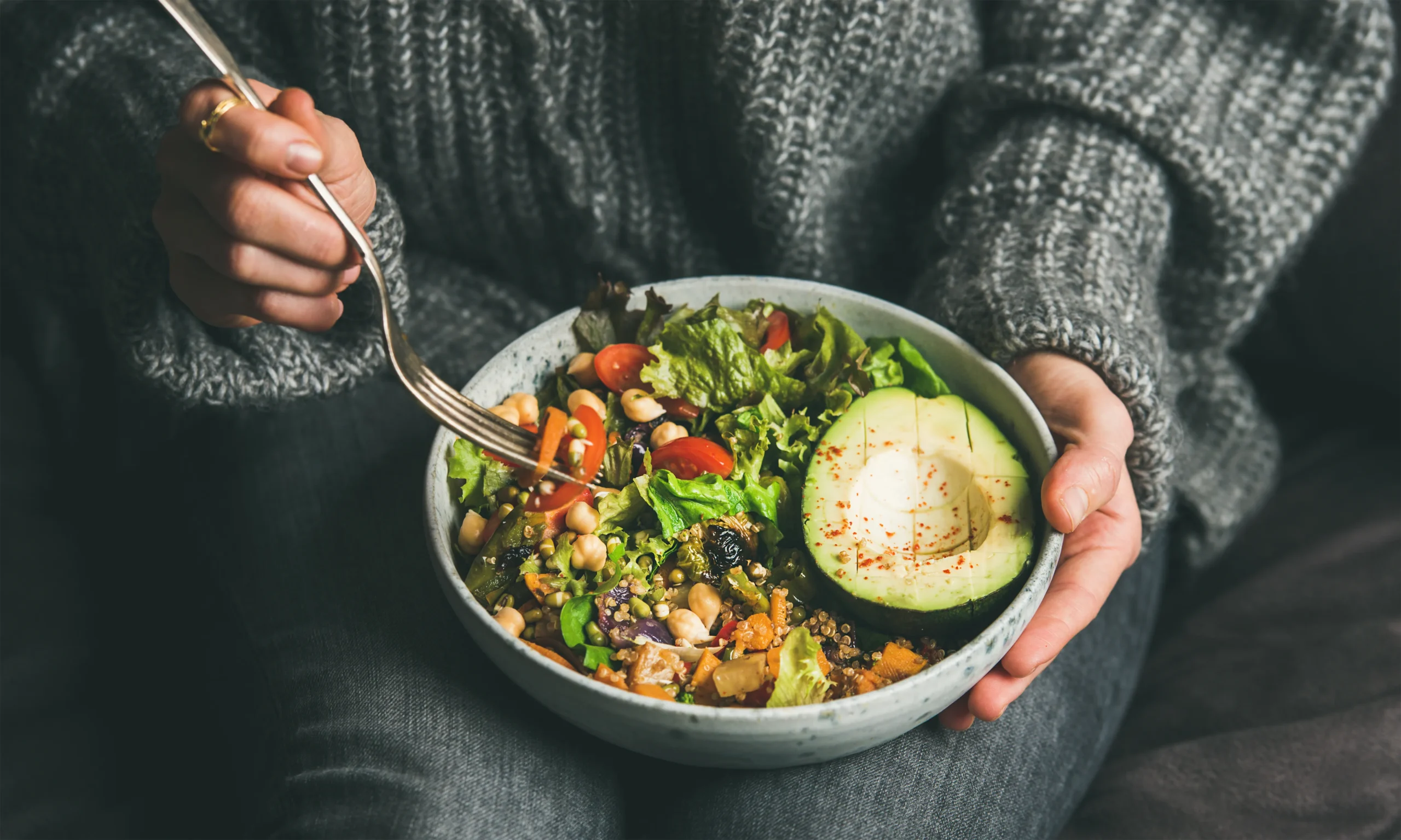
Recipe of the Month: Lucky Green Power Bowl
Ingredients:
- 1 cup cooked quinoa (or brown rice if you prefer)
- 1 cup fresh baby spinach or kale
- 1 cup broccoli florets
- 1 cup Brussels sprouts (halved)
- 1 tbsp olive oil
- Salt + pepper
- Optional: garlic powder or smoked paprika
- ½ avocado, sliced
- ½ cup cucumber, chopped
- ¼ cup green peas or edamame
- A handful of fresh herbs (parsley, cilantro, or mint)
Dressing:
- 2 tbsp tahini
- Juice of ½ lemon
- 1 tsp Dijon mustard
- 1 small clove garlic (or ½ tsp garlic powder)
- Water to thin
- Salt to taste
Instructions:
- Roast the veggies: Toss broccoli and Brussels sprouts with olive oil, salt, and pepper. Roast at 400°F (205°C) for 20–25 minutes until crispy and golden.
- Build the base: Add quinoa to a bowl, top with fresh greens so they slightly wilt from the warmth.
- Pile on the green magic: Add roasted veggies, avocado, cucumber, peas, and herbs.
- Drizzle the luck: Whisk dressing ingredients until smooth and pour generously over everything.
- Optional flair: Sprinkle with pumpkin seeds or hemp seeds for extra crunch.