Built for the Trail:
Strength, Control, and Injury Prevention for Riders
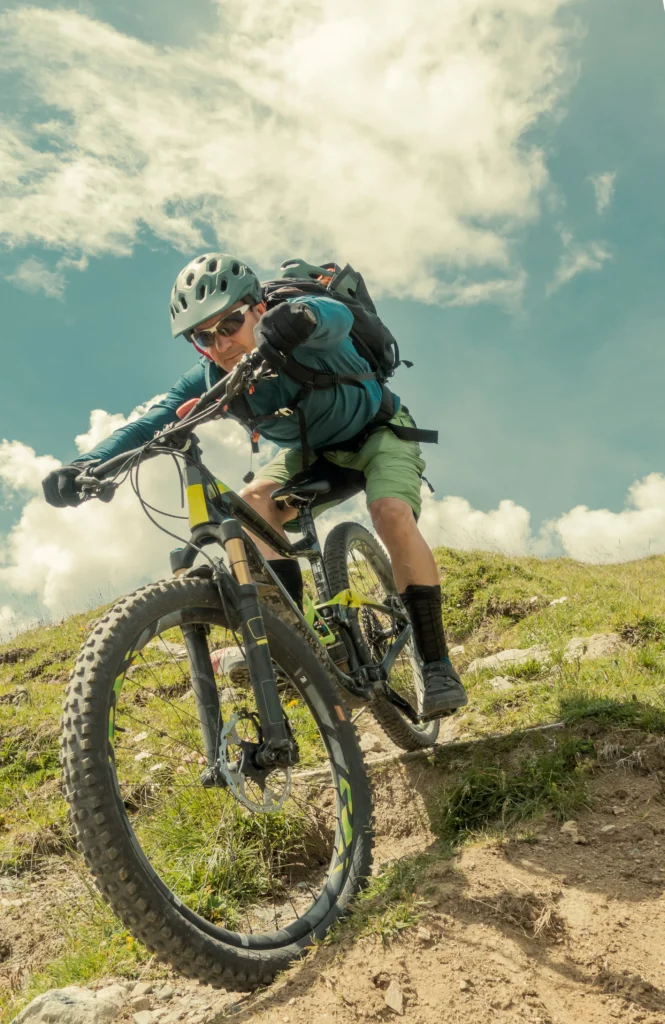
Mountain biking pushes your body in all the right ways. But it also demands a lot from your joints, muscles, and nervous system, and one long ride on uneven terrain can expose weak links fast. The difference between a strong ride and a setback often comes down to preparation and recovery.
Fortunately, the team at Alpine Physical Therapy and Sports Performance understands the unique needs of mountain biking, and we’re here to help you make the most of your rides.
Common Mountain Biking Injuries (and Why They Happen)
Even experienced riders deal with setbacks. Most injuries come from repetitive strain or loss of control during technical sections. Frequent issues include:
- Knee pain, often from poor alignment or overuse
- Lower back pain linked to a weak core or prolonged flexed posture
- Wrist and hand pain from sustained pressure and vibration
- Shoulder injuries resulting from falls or poor control on descents
- Ankle sprains due to loss of footing or sudden terrain changes
The good news? Many of these injuries are preventable with targeted strength and movement work.
How to Prepare Your Body for the Trail
If you want to ride longer, faster, and with more confidence, it starts before you even hit the trail. To avoid injuries on your rides, you need good stability, mobility, and reaction times.
A cross-training program can make a big difference. Focus on these areas:
1. Hip and Core Strength
2. Ankle and Balance Training
3. Thoracic Spine Mobility
4. Grip and Upper Body Endurance

Patient Success Story
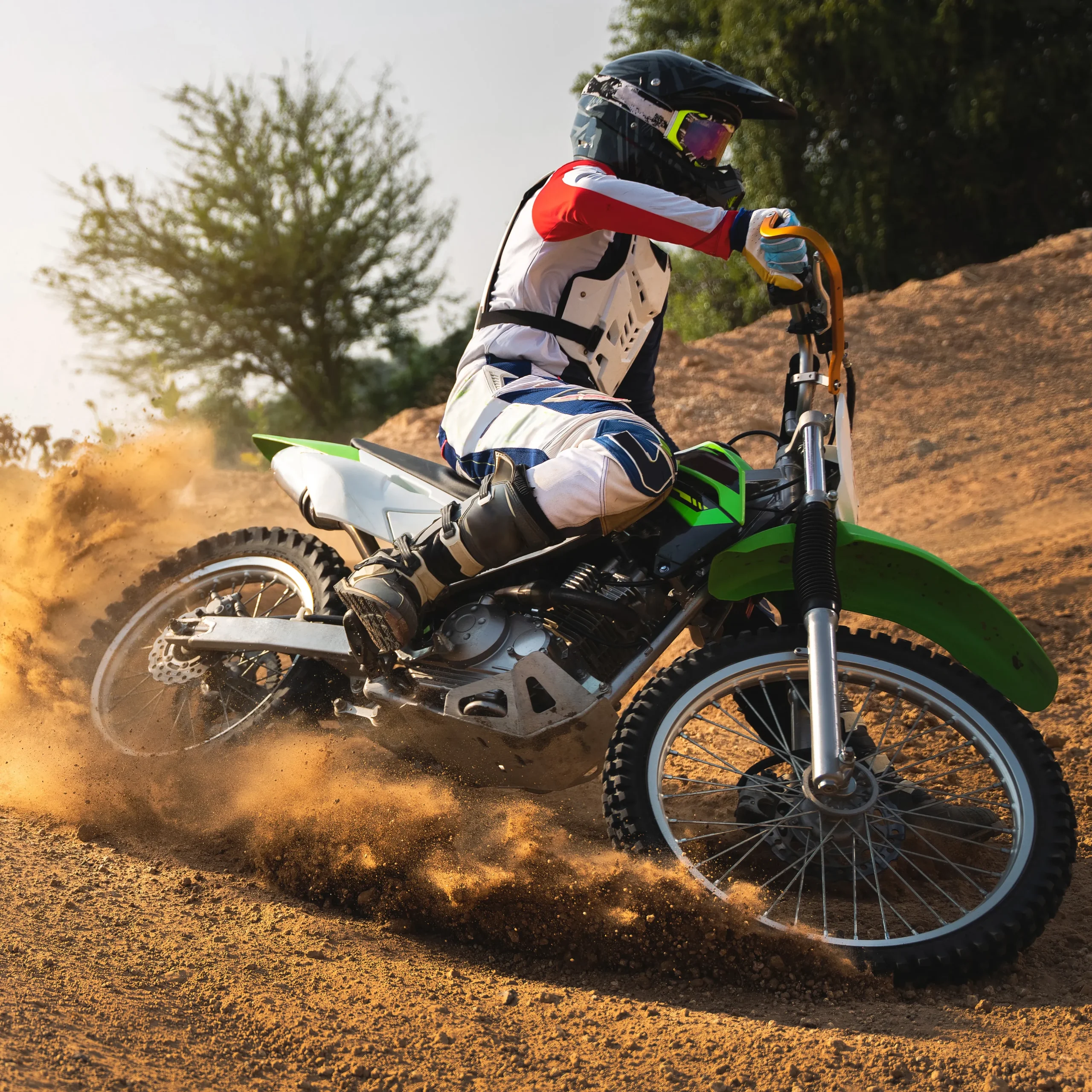
“I was in a dirt bike accident where the bike landed on my knee, partially tearing my MCL, right before a skateboarding trip. I called Alpine PT, and they were able to get me in the week before I left, which was super helpful because I wanted to know how serious my injury was before the trip. I worked with Kelsey, who was absolutely amazing! She gave me great rehabilitation exercises to get my knee back up to speed with my active lifestyle and was just a blast to be around in general. The atmosphere at Alpine is super friendly and fun! I highly recommend Alpine PT to anyone in need of physical therapy!” – O.J.
More Injury Prevention Strategies That Work
In addition to building strength in key areas, injury prevention centers around movement retraining and load management. Here are some strategies that make the biggest difference:
Don’t Jump Into High-Level Rides
Train Movement Quality
Improve Neuromuscular Control
Prioritize Recovery
How Physical Therapy Helps You Ride Better
(and Recover Faster)
Of course, sometimes pain shows up despite our best intentions. In those cases, don’t ignore or try to push through it, which will only increase your risk of a serious injury. Instead, give Alpine Physical Therapy and Sports Performance a call. Physical therapy helps address the contributing factors and restore full function.
Here’s how:
- Movement Assessment: We’ll evaluate how your body moves to identify the true source of pain or limitation. This helps guide a targeted, efficient plan.
- Manual Therapy: Hands-on techniques improve joint mobility and reduce muscle tightness. This can ease pain and help you move more freely.
- Targeted Strength and Conditioning: Exercises are tailored to your specific weaknesses to build strength and resilience. Progressive loading helps tissues adapt and tolerate riding demands.
- Neuromuscular Re-education: This technique retrains your muscles and nervous system to work together more effectively, so you can react quickly and stay stable on the trail.
- Pain Science Education: You’ll learn how pain works and how to manage it effectively so you can stay active without worsening symptoms.
Ride Stronger, Longer, and With Confidence
Mountain biking should challenge you, not sideline you. The right preparation builds strength where you need it most. Smart recovery keeps you consistent. And when pain shows up, the right plan gets you back on the trail without guesswork.
If something feels off, don’t wait. Reach out to Alpine Physical Therapy and Sports Performance so our team can help build a plan that keeps you riding at your best.
Why Alpine Physical Therapy and Sports Performance is the Key to Full Recovery After a Sports Injury
When recovering from a sports injury, time is of the essence, and seeing a physical therapist as soon as possible can be the pivotal factor that leads to a complete and successful rehabilitation. While many may consider these injuries a mere inconvenience, they can have long-lasting consequences if not treated properly from the start.
Here’s some of the common problems with waiting to see one of our physical therapists after a sports injury:
- Incomplete Healing: Ligaments and tissues may never regain their full strength and stability, leaving you vulnerable to further injuries. The longer you wait to address the issue, the more challenging it becomes to recover fully.
- Poor Rehabilitation: Inadequate or improper rehabilitation is a common pitfall that leads to recurrent injuries. Without proper rehabilitation, you risk weakening the supporting structures, setting the stage for another injury.
- Return to Activity Too Soon: One of the biggest mistakes an athlete can make is rushing back into physical activities or sports before a full recovery. It’s understandable to be eager to return to the game, but a premature return can lead to re-injury. Our physical therapists will guide you on when it’s safe to resume your activities, ensuring you don’t jeopardize your progress.
Your Road to Recovery Begins Now — Take Action Today!
When it comes to sports injuries, early intervention by one of our physical therapists is not just a wise choice — it’s a game-changer. Their expertise and guidance can make all the difference between a complete recovery and a cycle of recurrent injuries.
Don’t let an injury hold you back; call Alpine Physical Therapy and Sports Performance today. Your future self will thank you!
Exercise Of The Month
Double Knees TO Chest
- Start on your back with your knees bent.
- Slowly bring both knees to your chest.
- Grasp your knees.
- Hold for 30 seconds and repeat.
- 1 Set, 3 Reps
Recipe of the Month: Salmon Taco Bowls

Ingredients:
- 2 (6 oz) wild salmon filets
- ½ tablespoon olive oil
- ½ lime, juiced
- 1 tbsp brown sugar
- ¾ tsp cumin
- ¾ tsp chili powder
- ½ tsp garlic powder
- ½ tsp paprika
- ¼ tsp cayenne pepper
- ¼ tsp salt
- Ground black pepper
- 2 tsp of olive oil
- ¼ c very finely diced yellow onion
- ¼ c diced green pepper
- ¼ c edamame
- ¼ c cherry tomatoes, chopped
- ¼ c finely diced cilantro
- 2 cloves garlic, minced
- ½ c tomato sauce
- ½ tsp cumin
- ½ tsp coriander
- ¼ tsp ground turmeric
- ¼ tsp garlic powder
- ¼ tsp salt
- 1 ¼ cs water
- ¾ c uncooked white rice
- avocado, sliced
- Greek yogurt
- Salsa or hot sauce
- Cilantro
- Diced green onion
- Lime wedges
Instructions:
- Preheat oven to 400°F. Line a baking sheet with parchment/foil and lightly grease.
- Place salmon skin-side down, drizzle with olive oil and lime juice. Mix seasoning (sugar, cumin, chili powder, garlic powder, paprika, cayenne, salt, pepper) and rub evenly over salmon.
- Set aside. For rice: heat olive oil in a pot over medium heat. Sauté onion, green pepper, cilantro, and garlic for 2–4 minutes.
- Add tomato sauce, cumin, coriander, turmeric, garlic powder, salt, and pepper; simmer 2 minutes. Add water, bring to a boil, stir in rice, cover, and cook on low 15–20 minutes until tender.
- Remove from heat, fluff, cover, and steam 10 minutes. While rice steams, bake salmon for 15–20 minutes (about 16–18 is ideal) until it flakes easily.
- Serve rice in bowls, top with salmon, and add avocado, Greek yogurt, cilantro, salsa or hot sauce, green onion, and lime wedges.