Core Strength Made Simple:
Expert Physical Therapy Tips
Is back pain making standing tall more difficult? Have you noticed you don’t feel as balanced as you once used to? What’s the connection? These are both signs that may indicate core muscle weakness. At Alpine Physical Therapy and Sports Performance, our physical therapists can help you figure out if your core is affecting your condition and, if so, how to get it strong again!
Your core muscles help you do a lot — from sitting to standing to getting up and down from chairs. A strong core allows smooth, coordinated actions, thus impacting almost every activity you do every day. If your core muscles are weak, they may affect your function and possibly your pain levels.
It’s important to note that core muscles are not just important for physical fitness but are also essential to the overall quality of life. Our physical therapists understand the importance of core strength and will assess you to determine if it’s affecting your daily activities. With our expert guidance, you’ll learn how to engage your muscles in how they were designed to move!
Contact us today to set up an appointment or learn more about how our team can help you strengthen your core!

What Is the “Core”?
When most people think of core muscles, they immediately think of the abdominals. However, the core muscles comprise the lower back, hip, pelvis, pelvic floor, and even the diaphragm muscle.
Significant weakness in the core will often lead to compensations and straining of different body areas, most commonly the back and neck muscles. As a result, this leads to undesirable consequences, such as poor posture, fatigue, or pain.
The muscles that make up your core are designed to help stabilize your body, support your posture, ensure your balance, and support movements in all directions. If any of these muscles are weak, injured, or used inappropriately, your trunk becomes unstable, making it difficult for your body to function correctly.
The core assists in almost every movement, from bending down to picking up an object to standing up straight. It also plays a significant role in breathing, lifting a heavy object, twisting your body, or even just walking. Core strength is also essential in sports performances, allowing the body to balance and control movements while running, jumping, and sustaining contact. A strong core enhances power, speed, coordination, and agility with all sports and recreational pursuits. It also can help reduce the risk of injuries and may help to prevent chronic lower back pain.
A strong core is vital to your overall health, functional movement, and athletic performance. Proper core training helps maintain spine health, ensures optimal performance in your daily life, and can help prevent various injuries.

Building Core Strength with Expert Guidance
Physical therapy is a great starting point for building your core strength. Our licensed therapists will conduct a detailed evaluation to identify the underlying muscle weaknesses and strategies to strengthen them.
Whether you feel pain in your back, neck, shoulders, or legs, we will thoroughly analyze your posture, movement patterns, and strength, pinpointing the exact cause of the pain. From there, we will create an individualized treatment plan for you based on your specific needs to strengthen your core, improve your posture, and alleviate pain.
Core stability is about both muscular strength and proper sensory input. This sensory input informs the central nervous system about your body’s movements and positions to facilitate specific actions, ensuring your body reacts appropriately. When functioning properly, our body can perform the most basic tasks and advanced athletic activities.
Our therapists will design a program to teach you how to use your core muscles properly. We will create a strength program focusing on core-specific exercises and progressing to multi-joint free-weight exercises for comprehensive core muscle training. You can anticipate continuous feedback and guidance for fine-tuning your movements to ensure optimal spinal stabilization through a strong core.

Patient Success Story
“My experience with Zach at Alpine Physical Therapy has been life changing! I have had a knee injury for the past three years and never made progress with any PT until my time with Zach. I’m uncoordinated and clumsy, and Zach is so patient with me while I learn the exercises. Because of my injury, it’s easy to fall back into the habit of not exercising or babying my knee, so it is nice to have the accountability of visiting Zach every few weeks. Zach also works with my busy schedule and makes every appointment entertaining!” – M.
Hit the Slopes Safely:
Snowboarding Injury Prevention & How PT Can Help
As snowboard season approaches, it’s the perfect time to get your body ready and reduce the risk of injury. While riding brings great fun, it also places high demands on joints, muscles and balance. Common injuries for snowboarders include wrist and shoulder injuries (from falls), plus knee, ankle and hip strains.
Pre-ride preparation:
Warm up before you ride
Build strength and stability
Train balance and proprioception
Gear, fatigue & technique matter

How physical therapy can help if you do get injured (or want to prevent one):
If you experience pain, a twist, fall or persistent soreness, a physical therapist can assess your movement, uncover weaknesses, and design a tailored program to restore strength, mobility and control. They can guide hands-on therapy, rehabilitation exercises, and sport-specific return-to-ride training. Utilizing PT early often leads to faster recovery and better outcomes than waiting.
Whether you’re a weekend warrior or ride mountains regularly, preparing ahead and knowing when to get help means you’ll be ready for fun, not sidelined by injury. Stay strong, stay safe and shred smart this season.
Book Your Appointment at Alpine Physical Therapy and Sports Performance Today!
Our physical therapy team will assess your condition to identify how your core affects your function. We’ll educate you on how your core affects your physical activity and contributes to the pain you may be experiencing. Our individualized exercise programs can reduce your pain and improve your overall quality of life!
Call us today to set up an appointment!
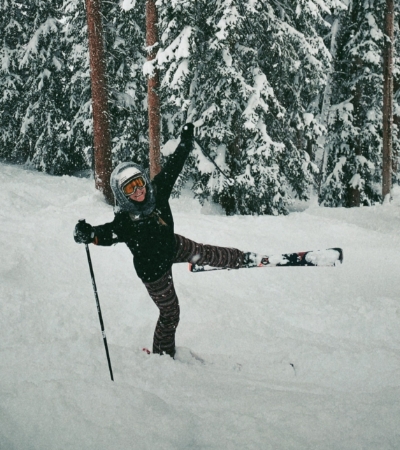
Dr. Kelsey Kemmer
DPT, CSCS | Outdoor Enthusiast
When I’m not at the clinic, I am likely skiing, running, doing CrossFit, hiking, on the soccer field, or playing volleyball with friends. I played soccer at the University of Oregon and am particularly interested in working with soccer and volleyball players of all ages.
As a Clinical Strength and Conditioning Specialist with proficiency in Spanish, I am passionate about helping individuals from all backgrounds restore function and optimize performance.
Exercise Of The Month
Bent Over Rows
- Hold a weight in your hand. Slightly bend your knees and bend at your waist to bring your torso forward.
- Make sure your back remains flat and about parallel to the floor.
- Pull the weight towards you. Make sure your elbows stay close to your body.
- Slowly return to the starting position.
- 3 Sets, 10 Reps. (Materials needed: dumbbells)
Have questions? Don’t hesitate to make an appointment and get them answered!
Don’t Let Your Insurance Benefits Go to Waste!
As the year winds down, now is the perfect time to take full advantage of your insurance benefits before they reset. If you’ve been putting off physical therapy, now’s the time to act!
Recipe of the Month: French Onion Soup

Ingredients:
- 6 tablespoons extra-virgin olive oil
- 3 pounds medium yellow onions, halved and thinly sliced
- ¾ teaspoon sea salt
- 1½ tablespoons balsamic vinegar
- 1½ tablespoons tamari
- 1½ tablespoons fresh thyme leaves
- 3 garlic cloves, minced
- 3 tablespoons all-purpose white flour
- 1 cup dry white wine
- 6 cups vegetable broth
- Freshly ground black pepper
- Baguette slices
- Gruyère cheese, aged cheddar, and/or Parmesan cheese
- Fresh thyme
- Pinch of red pepper flakes, optional
Instructions:
- Heat the oil in a large pot or Dutch oven over medium heat. Add the onions, salt, and several grinds of pepper and toss to combine. Reduce the heat to low and cook for about 40 minutes, stirring every few minutes, or until the onions are very soft. Increase the heat to medium and cook 15 to 20 more minutes, stirring often, until golden brown. Add the vinegar, tamari, thyme, and garlic and stir. Sprinkle the flour on the onions, stir, and cook for 2 minutes. Stir in the wine and cook 2 minutes, or until evaporated. Add the broth and simmer over medium heat for 30 minutes.
- Preheat the oven to 450°F and line a baking sheet with parchment paper. Place the baguette slices, topped with cheese, on the baking sheet and bake until the slices are toasted and the cheese is melted, 8 to 10 minutes.
- Ladle the soup into ramekins or bowls and top each with a toasted baguette piece, fresh thyme, and a pinch of red pepper flakes, if desired.
Sources
- https://bmcmusculoskeletdisord.biomedcentral.com/articles/10.1186/s12891-021-04858-6,
- https://www.ncbi.nlm.nih.gov/pmc/articles/PMC6407754/,
- https://journals.lww.com/nsca-jscr/fulltext/2012/02000/effect_of_core_strength_on_the_measure_of_power_in.8.aspx,
- https://www.mdpi.com/2411-5142/6/2/37,
- https://www.frontiersin.org/articles/10.3389/fphys.2022.915259/full
- https://www.loveandlemons.com/french-onion-soup/