How Physical Therapy Can Help You Get Ready for Fall Sports
Before you know it, the cooler season will come, and so will fall sports! Are you wondering how to prepare yourself for your favorite autumn activities? Or have you been struggling with an old injury that just doesn’t seem to be going away? Either way, Alpine Physical Therapy and Sports Performance can help.
Everyone involved in athletics knows that one thing is for sure: competition comes with a risk of injury. Fortunately, physical therapy can help athletes recover from injuries and prepare them for their upcoming seasons.
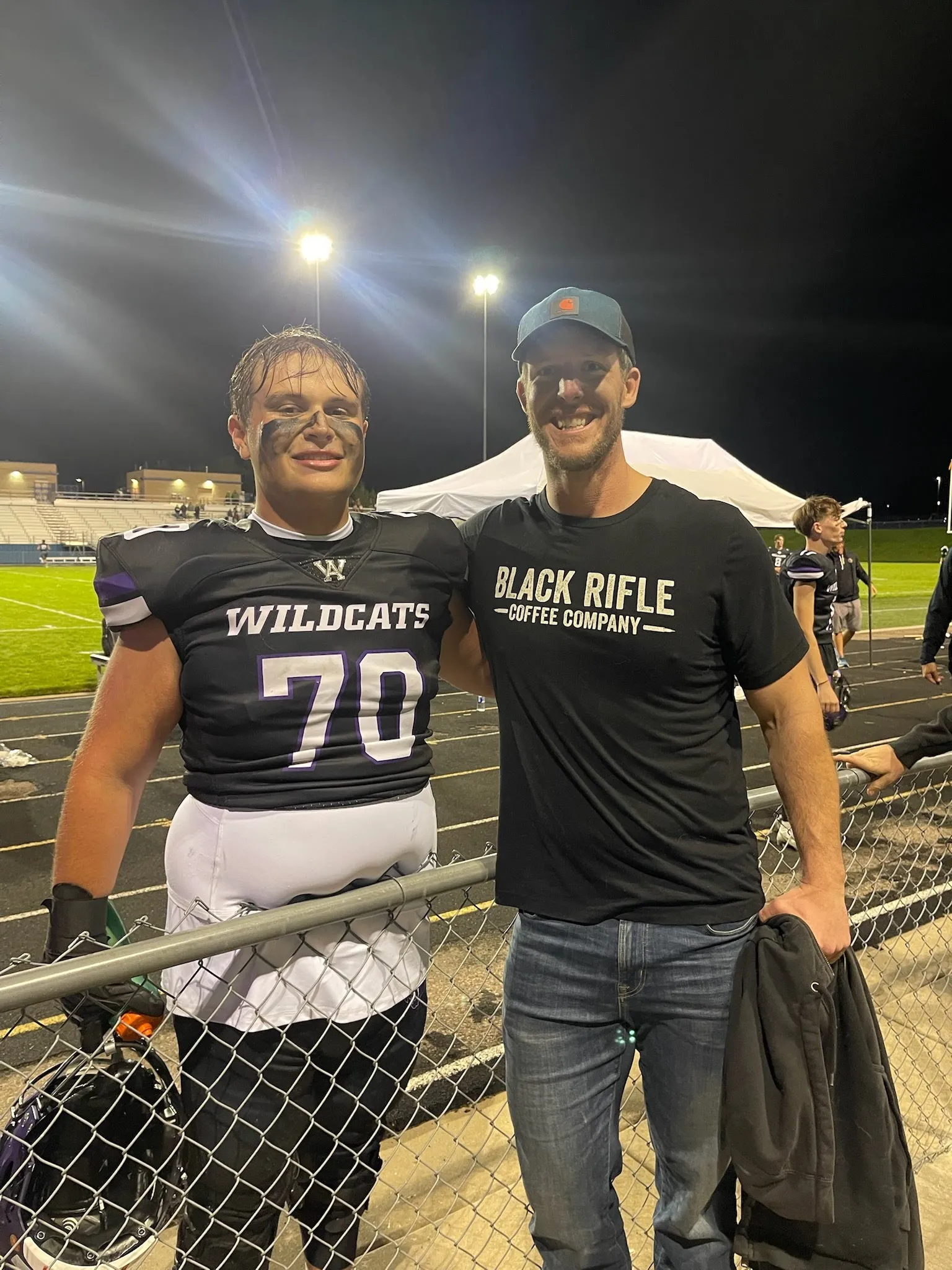
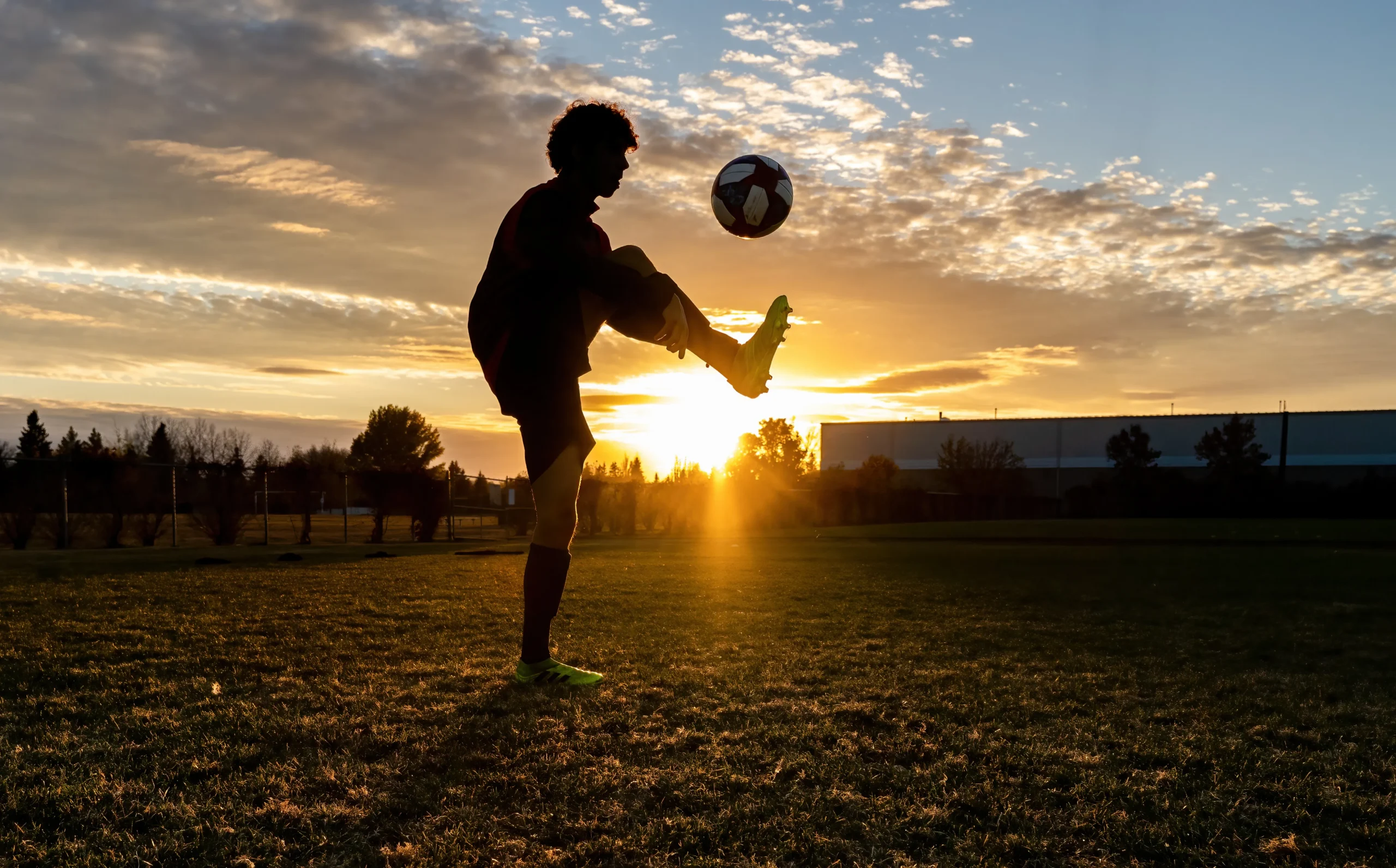
Whether you compete in cross-country running, football, or soccer, our team can help you resolve an injury and provide you with the tools you need to be at your peak physical condition for the start of the season.
How Physical Therapy Helps Athletes Prepare for Fall Sports
Playing the sport you love, whether competitively or just for fun, is an important part of staying healthy and enjoying your life. And making sure your body is strong, stable, and prepped for the game is vital for maintaining high performance.
Conditioning is a significant part of staying healthy when you play sports. Fortunately, we offer customized conditioning programs that can lower your risk of sustaining an injury during the game and improve your performance.
These programs focus on keeping you healthy and strong. They incorporate sports-specific strengthening and training methods to ensure your body can tolerate the demands of your sport while improving your ability to compete at a high level. Techniques like targeted exercises, lifting weights, and proactive recovery practices further help prevent athletes from injuring themselves.
In short, a physical therapy-focused conditioning program can prepare you for the ups and downs of the fall sports season.
Understanding Sports Injuries (And The Role Of Physical Therapy)
One significant aspect of physical therapy is that it can help you prevent an injury this fall. Injuries are a part of any sports season and are typically placed into two categories: acute or overuse.
Acute injuries are caused by a specific incident, such as:
- Sprains
- Fractures or dislocations
- Concussions
In contrast, overuse injuries are caused by repetitive movements or poor technique. Some examples of overuse injuries include:
- Tendinitis
- Tennis elbow
- Shin splints
- Jumper’s knee
- Stress fractures
More About Common Sports Injuries: Sprains and Strains
Sprains are extremely common in sports. Ligaments connect bones together and help support your joints. When a ligament is stretched beyond its limits, a sprain can occur. Once the ligament is stretched, it becomes looser and more susceptible to being sprained again in the future.
Strains are similar to sprains but occur in muscles and tendons, not ligaments. Tendons connect muscles to bones. Once a tendon or muscle is injured, it needs to be resolved fully, or it can lead to persistent pain and limitations in function.
Injury Prevention with Physical Therapy
Receiving physical therapy before you begin playing this fall could make all the difference in how ready your body is to be out on the field or court. The process begins with an injury screening to identify any underlying conditions that can lead to future injuries. Once we identify limitations, restrictions, and weaknesses, we’ll provide you with a personalized program to resolve them.
As you progress through rehabilitation, the intensity and complexity of your program will increase accordingly. We design your program to meet your specific needs, including incorporating sports-specific training to prepare your body for the demands of a competitive sports season.
Patient Success Story
“I came to Kelsey at Alpine for a herniated disc in my low back and within the first few visits I was feeling less pain. She was able to provide exercises specific to what I was feeling that I could manage on a daily basis to more quickly recover. I also really like how I can express how my back is doing each week I go and she easily adjusts my workout or routine to best fit my needs. I’ve been extremely happy with the entire experience!” – Kylie
Request an Appointment To Get Started
Encouraging healing and avoiding injury are top priorities at Alpine Physical Therapy and Sports Performance. In addition to directly treating injuries, we can help you improve your range of motion, strength, and overall function to prevent additional harm from occurring and get you ready for your sport. Are you an athlete prepping for fall sports? Schedule an appointment today to learn more about how physical therapy can get you geared up to have your best season yet!
Dr. Kiani Mohica
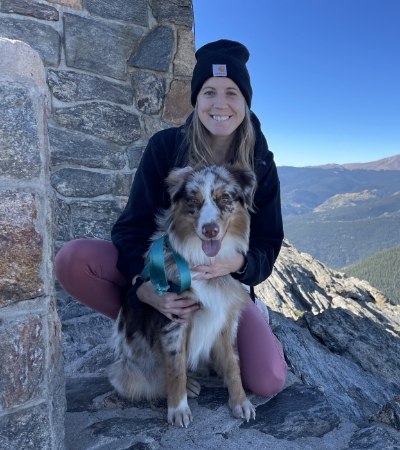
DPT, CSCS | Dog Mom
As a former dual sport college athlete in field hockey and lacrosse, I love working with active individuals of all ages – whether that’s helping them recover from an injury or just taking them to a higher level of performance! I am very active myself and love hiking, working out, or even just spending time with my pup in the park and doing some training.
I am dry needle certified and have advanced training in vestibular therapy and concussion rehabilitation!
Recipe of the Month: Halloween Ghost Pizza

Ingredients:
Pizza Dough
- 2 cups plus 2 Tablespoons (11 ounces, 312 grams) bread flour
- 1-⅛ teaspoons instant or rapid-rise yeast
- ¾ teaspoon salt
- 1 Tablespoon olive oil
- ¾ cup (6 ounces, 177 ml) filtered water
Super-Simple Pizza Sauce
- 16 ounces (2 8-ounce cans) tomato sauce
- 6 ounce can tomato paste
- 2 cloves garlic minced
- 1-½ teaspoons dried oregano
- 1-½ teaspoons dried basil
- 1 teaspoon granulated sugar
- ½ teaspoon onion salt
- ¼ teaspoon salt
Ghosts for Pizza
- 6 slices (4 ounces, 113 grams) sliced Mozzarella cheese
- 1 Tablespoon sliced black olives
Halloween Ghost Pizza
- 8 ounces Pizza Dough, room temperature
- 1-½ Tablespoons olive oil
- ⅓ cup Super-Simple Pizza Sauce
- ¼ cup (.75 ounces, 22 grams) freshly grated Parmesan cheese
- 1-½ cups (6 ounces, 170 grams) shredded Mozzarella cheese
- 1 teaspoon olive oil, for drizzling on cooked pizza
Instructions:
Pizza Dough
- Add bread flour, yeast, and salt to the bowl of a food processor fitted with a steel blade. Pulse 5 times to combine. Add olive oil and water. Process until a rough ball forms, 30 to 40 seconds. Let rest for 2 minutes.
- Process an additional 30 seconds. Transfer to a lightly floured surface; knead by hand to form a smooth, round ball. Place in a large, lightly greased bowl; cover tightly with plastic wrap and let rise until doubled in size, about 1-½ hours. Yield: 1 pound of pizza dough – enough for two pizzas.
Super-Simple Pizza Sauce
- Add all ingredients to the blender. Purée for 30 seconds, or until all ingredients are well combined.
Ghosts for Pizza
- Trace an 11-inch circle on a piece of parchment paper. Flip to the other side. Set aside.
- Using ghost cookie cutters, cut out ghosts from sliced Mozzarella cheese. Position on parchment as you want them to appear on the finished pizza.
- Cut out eyes and mouths of black olive slices, and place them on the ghosts. Set aside until the pizza comes out of the oven.
Halloween Ghost Pizza
- Preheat oven to 450° F.
- Brush 1-½ Tablespoons of olive oil in bottom of 12-inch cast-iron skillet; set aside.
- Divide pizza dough in half. Press and roll one piece of dough into an 11-inch round. Transfer to prepared cast-iron skillet; gently push it to the corners of the pan. Spread ⅓ cup of super-simple pizza sauce over surface of dough leaving ½-inch border around the edge. Top with ¼ cup of the grated Parmesan cheese and 1-½ cups of the shredded mozzarella cheese.
- Set skillet over medium heat and cook until the outside edge of the dough is set and the pizza is lightly puffed, about 5 minutes. Transfer skillet to preheated oven; bake until the edge of the pizza is golden brown and the cheese is melted, 8 to 10 minutes.
- Remove pizza from oven; position the ghosts on the hot pizza.
- Remove pizza from cast-iron skillet. If desired, drizzle with olive oil, and serve.