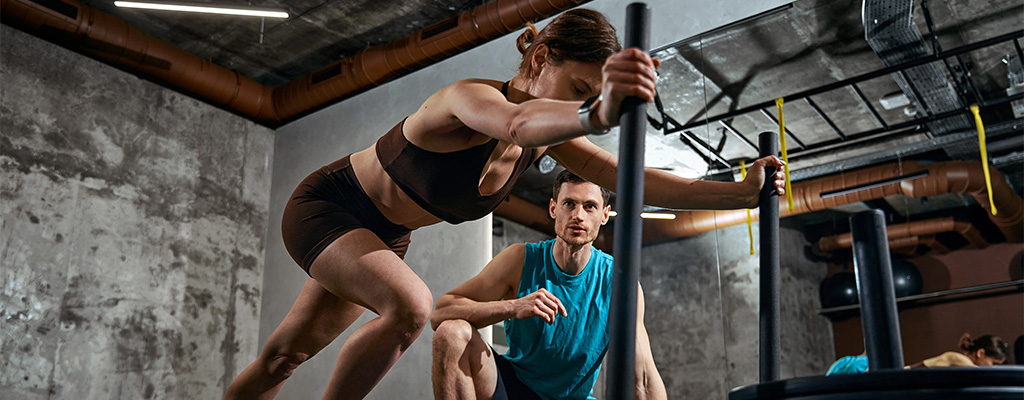
How Strength Training Can Improve Your Health
In the past, many people associated strength training with oiled-up, musclebound bodybuilders — and, as such, decided strength training wasn’t the workout for them. But that idea couldn’t be farther from the truth!
In a way, we get it. Strength training can be incredibly intimidating if you’re coming at it cold: you have to grapple with unfamiliar equipment, uncertainty about proper lifting techniques, and confusion about which exercises to perform. But once you find your footing, strength training is one of the best things you can do for your overall health and wellness.
At Alpine Physical Therapy and Sports Performance, we want to help make strength training accessible to all, regardless of age, health history, or ability level. To help you see the many benefits of strength training, we thought we’d share the stories of two patients: Alisha and Michelle.
Both of these patients are ordinary women in their late 50s. Neither were hardcore athletes, but both discovered the health benefits of strength training.

Alisha: A New Hobby in Middle Age
Alisha first came to see us after she injured her back while working in the garden. Like most older people, Alisha’s muscle mass had been steadily decreasing, and the resulting weakness had ultimately led to her injury.
We provided her with a customized treatment plan, including dedicated strength training focused on Alisha’s core and back. She was surprised by how much she enjoyed the exercises, including how great she felt after completing them.
As her rehabilitation neared completion, Alisha asked her physical therapist for more information about strength training. She had heard it was an important piece of osteoporosis prevention, something that had been in the back of her mind since the condition ran in her family.
We were more than happy to help Alisha out. Her therapist helped her develop a general strength training program using barbells and dumbbells. He walked her through each exercise, assessed her lifting form, and guided her on gradually increasing intensity.
The result? Alisha found a new hobby. She became an avid weightlifter, hitting the gym three times a week. Even better, she restored some of her lost muscle mass, and her garden activities became easier over time.
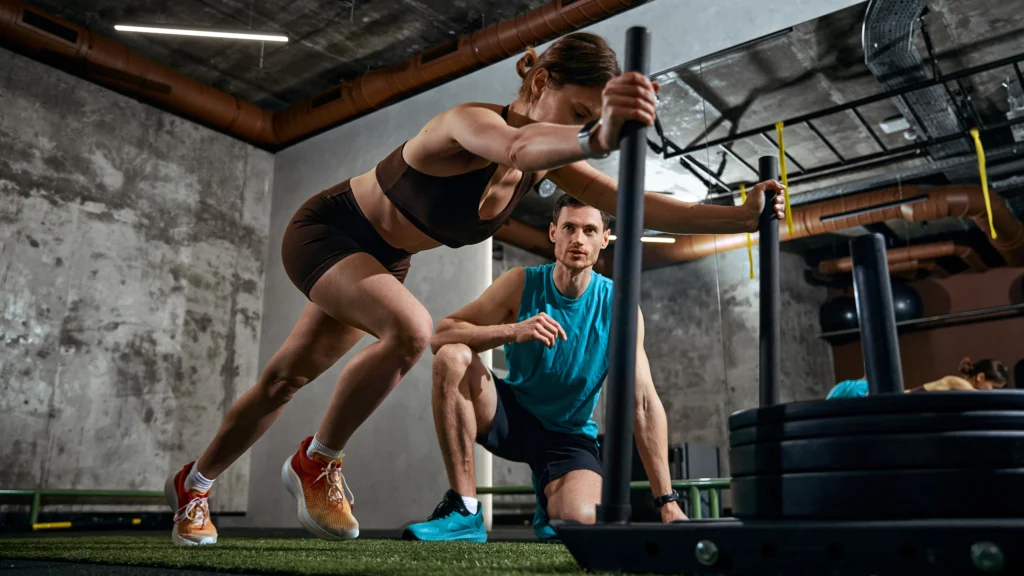
Michelle: A Resistance to Resistance Training
Michelle had developed osteoarthritis in her hips in her mid-50s. Although the pain wasn’t severe, she did find herself becoming less active than she’d prefer. Eventually, she contacted us for help managing and slowing her condition.
Regular exercise is one of the best ways to manage osteoarthritis pain, but Michelle was nervous about doing anything too strenuous — including strength training. She was especially wary of anything involving heavy weights.
However, strength training is an important piece of osteoarthritis management. Strong muscles stabilize and support the impacted joints, helping to relieve pressure (and symptoms).
Michelle’s physical therapist was sympathetic to her concerns, especially since low-impact exercises are generally better for people with osteoarthritis. To that end, she suggested Michelle start with a daily walking regimen, which would help get her used to physical activity while still building some muscle strength and endurance.
After a few weeks, Michelle’s therapists started her on simple bodyweight exercises that wouldn’t put too much pressure on her knee joints. They weren’t as difficult or painful as Michelle feared, and she eventually decided she wanted to add a little more resistance after all.
But she didn’t go all in with heavy barbells, as Alisha had. Instead, Michelle used a blend of resistance bands and light dumbbells. Her therapist provided the necessary guidance — and before Michelle knew it, she was performing strength training routines twice a week.
The result? Less pain and stiffness from Michelle’s arthritis meant more mobility and an easier time running errands, doing chores, and spending time with her loved ones.
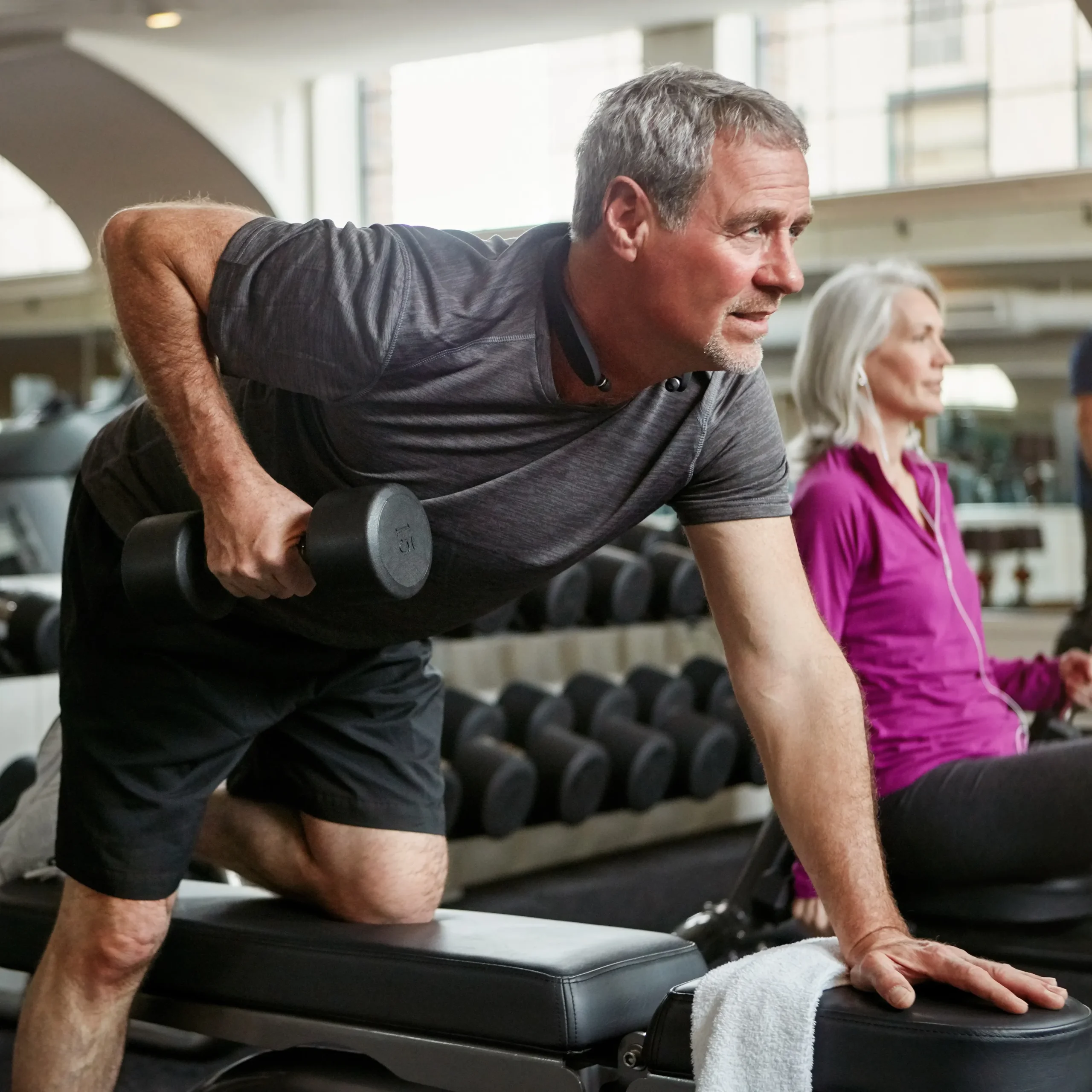
Patient Success Story
“Alpine knows what they’re doing. Whether you’re recovering from surgery or looking to improve your athletic performance, they have a knowledgeable PT team that can answer any questions and help you reach your goals. I’ve worked with Justin through two separate knee surgery recoveries, and I can’t say enough good things about him. He has the patience to answer all my questions while still pushing me to perform at my best and stay accountable throughout the recovery process. His expertise and encouragement made a huge difference in getting me back on my feet. What sets Alpine apart is how much they genuinely care. I’ve been to other physical therapy clinics, and they simply don’t compare. The entire team takes the time to listen, understand your needs, and create a plan that works for you. Everyone is welcoming, professional, knowledgeable, and great to be around. If you show up on time, put in the work, ask questions, and come in with a positive attitude, you’ll see results. The Alpine team will meet you halfway and help you get where you want to be. 10/10 Recommend!” – Jake P
Stay in the Game, Skip the Pain: The Role of Sports Physical Therapy
Athletes often push their bodies to the limit to achieve their goals. This intense effort, or an unfortunate accident, can sometimes lead to injuries. Fortunately, with the right information and approach, many of these injuries can be avoided or effectively managed through physical therapy. Here, we explore the most common sports injuries and how physical therapy can be a pivotal player in preventing surgeries.
Common Sports Injuries
- First, let’s discuss some of the most frequently encountered sports injuries. One of the main reasons for these injuries includes deceleration incidents, which put immense strain on muscles and ligaments, and sudden changes in direction, which can cause lower body sprains and strains.
- In addition, inadequate or improper training methods, including insufficient warm-up and improper technique, elevate the risk of injuries.
- Overuse injuries (i.e., repetitive stress) frequently occur without proper rest, leading to complications such as tendonitis.
The Top Sports Injuries
- Ankle Sprains: Ankle sprains are common in sports involving running and jumping when the ligaments surrounding the ankle are stretched or torn.
- Knee Injuries: Athletes are prone to knee injuries, which can involve damage to ligaments, cartilage, or other structures within the knee joint.
- Shoulder Injuries: These encompass a range of issues, including rotator cuff tears and dislocations, often seen in sports that involve overhead motions like swimming or baseball.
- Fractures: These involve breaks in the bones from a single, forceful incident or stress fractures (caused by repetitive stress).
- Our physical therapists can guide you through preventive strategies to reduce your risk of sports injuries and promote a safer athletic environment.
Seek the Right Guidance
- Personalized Plans: Our therapists design individualized plans that focus on strengthening the muscles and improving mobility to help prevent future injuries.
- Education and Training: Our therapists educate athletes on the proper techniques, including tips on body mechanics, posture, movement patterns, and preventive measures to avoid injuries.
- Functional Restoration: Physical therapy focuses on restoring the function of injured areas, enabling athletes to return to their sport with a minimized risk of re-injury or need for surgery.
- By working closely with our skilled physical therapists, athletes can return to their favorite sports and sidestep any potential surgeries!
How Will Strength Training Benefit You?
Good health means different things to different people. At Alpine Physical Therapy and Sports Performance, we focus on improving your overall function so you can do the things in your life that matter most. Whether you want to kickstart an intense strength training program (like Alisha) or simply ensure you’re meeting the CDC’s recommendation of 2 days of muscle strength work a week (like Michelle), we’ve got you covered. Call us today to get started on your strength training journey!
Exercise of the Month
SEATED LEG EXTENSION
(Quadriceps, Knees)
Sit up straight in a chair with your feet flat on the floor. Slowly extend one leg out in front of you until it’s straight, squeezing your thigh muscle. Hold briefly, then lower it back down with control. Alternate legs or complete all reps on one side before switching.
Materials Needed: Chair

Chicken Mediterranean Bowl
This colorful Mediterranean-inspired bowl is packed with lean protein, healthy fats, fresh vegetables, and whole grains to keep you energized and support muscle recovery.
Ingredients
- 1½ lbs boneless, skinless chicken breasts
- 2 cups cooked quinoa or brown rice
- 2 cups arugula
- 1 cup cherry tomatoes, halved
- 1 cucumber, diced
- ½ small red onion, thinly sliced
- ½ cup kalamata olives, halved
- ½ cup crumbled feta cheese
- 2 tbsp olive oil
- 1 tsp garlic powder
- 1 tsp dried oregano
- ½ tsp paprika
- Salt and pepper, to taste
Directions
Season the chicken with olive oil, garlic powder, oregano, paprika, salt, and pepper. Grill or cook in a skillet over medium-high heat for 5–7 minutes per side, or until the internal temperature reaches 165°F. Let the chicken rest for a few minutes before slicing. Divide the cooked quinoa or brown rice among four bowls. Top with arugula, cherry tomatoes, cucumber, red onion, olives, sliced chicken, and feta cheese. Drizzle with additional olive oil and a squeeze of fresh lemon juice, if desired, before serving.