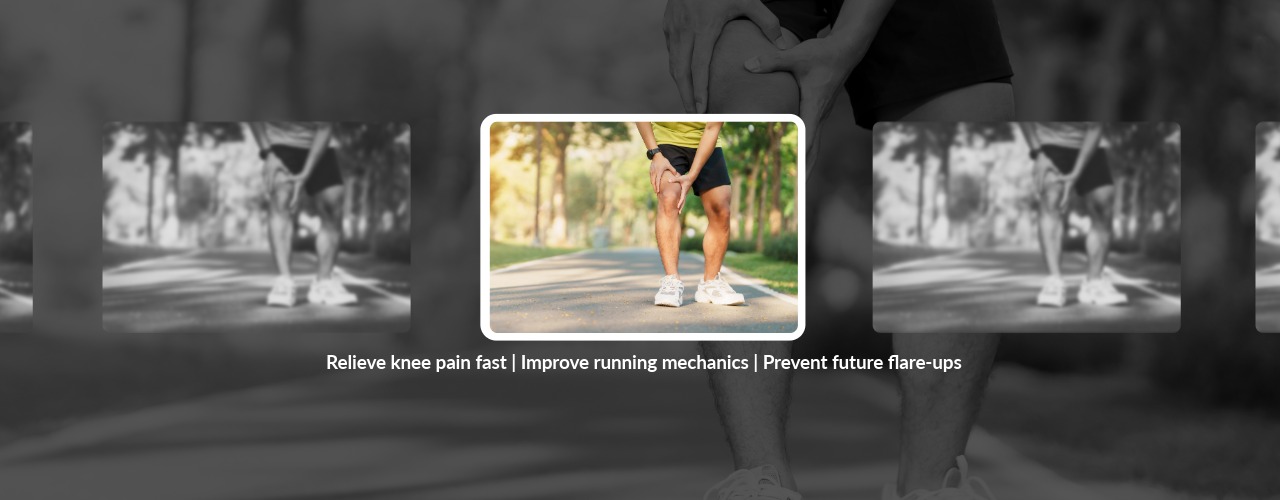

If your knees ache every time you run or go downstairs, you may be dealing with patellofemoral pain syndrome, better known as runner’s knee. This condition frustrates many athletes and casual joggers alike, but the good news is that it can be managed effectively. Physical therapy provides safe, evidence-based strategies for runner’s knee pain relief, helping you return to your favorite activities without constant discomfort.
Frequently Asked Questions about Runner’s Knee
What Causes Runner’s Knee?
Runner’s knee develops when the kneecap does not move smoothly in its groove, creating stress on surrounding tissues. Several factors can contribute, including:
- Overuse from repetitive running or jumping activities
- Weakness in the hip or thigh muscles
- Poor running mechanics or improper footwear
- Tightness in the quadriceps, hamstrings, or calves
- Sudden changes in training intensity or mileage
Identifying the exact cause is important, because treatment must be tailored to correct the underlying issues rather than just masking the pain.
What Are the Symptoms of Runner’s Knee?
Common symptoms include:
- Aching pain around or behind the kneecap
- Pain that worsens when running, squatting, or climbing stairs
- Stiffness after sitting with knees bent for long periods
- Popping or grinding sensations in the knee joint
Because these symptoms overlap with other knee problems, a professional evaluation is the most reliable way to confirm runner’s knee.
When Should I See a Physical Therapist?
If knee discomfort continues for more than a few days of rest, or if the pain interrupts your ability to run or walk comfortably, it’s time to consult a physical therapist. Early care prevents the condition from becoming chronic. A therapist can assess movement patterns, identify muscle imbalances, and create a plan that directly targets your pain source. Even if you have mild discomfort, addressing it sooner rather than later helps you recover faster and avoid re-injury.
How Does Physical Therapy Help with Runner’s Knee?
Physical therapy goes beyond symptom management. A therapist evaluates how your entire lower body works together, then prescribes exercises and hands-on treatments to restore healthy movement. Treatment may include:
- Strengthening exercises for hips, quadriceps, and core muscles
- Stretching routines to improve mobility in tight muscle groups
- Manual therapy to reduce pain and improve kneecap motion
- Gait and running analysis to correct mechanics
- Education on proper footwear and training progressions
This approach provides long-term runner’s knee pain relief by treating both the cause and the symptoms. Patients often find that physical therapy improves not only knee health but also overall running performance.
How Long Does Recovery Take?
Recovery time varies depending on severity, consistency with therapy, and training habits. Many patients begin noticing improvements within a few weeks of targeted care. Full recovery can take longer if the condition has persisted for months. The key is gradual progress—rushing back into high-intensity running too soon often leads to setbacks. With professional guidance, most patients can safely return to running with stronger, more resilient knees.
Can Runner’s Knee Be Prevented?
Yes, prevention is possible. Regular strength training, proper warm-ups, and gradual increases in training load all reduce risk. Stretching the hips and legs, wearing supportive shoes, and replacing worn-out footwear are also helpful. Most importantly, listening to your body and addressing early discomfort prevents small issues from becoming larger problems.
Stay Encouraged: Relief Is Possible
Dealing with knee pain can feel discouraging, especially if running is your passion. The important thing to remember is that recovery is realistic with the right care. Physical therapists are trained to guide you step by step, helping you build strength, improve form, and return to the track, trail, or treadmill with confidence.
Take the First Step Toward Runner’s Knee Pain Relief
Don’t let persistent knee pain sideline your goals. If you’re searching for lasting runner’s knee pain relief, contact Alpine Physical Therapy and Sports Performance today to schedule an appointment. Our expert team will help you identify the cause of your discomfort and create a personalized plan so you can run, move, and live without pain holding you back.