Everything You Need to Know About Little League Elbow
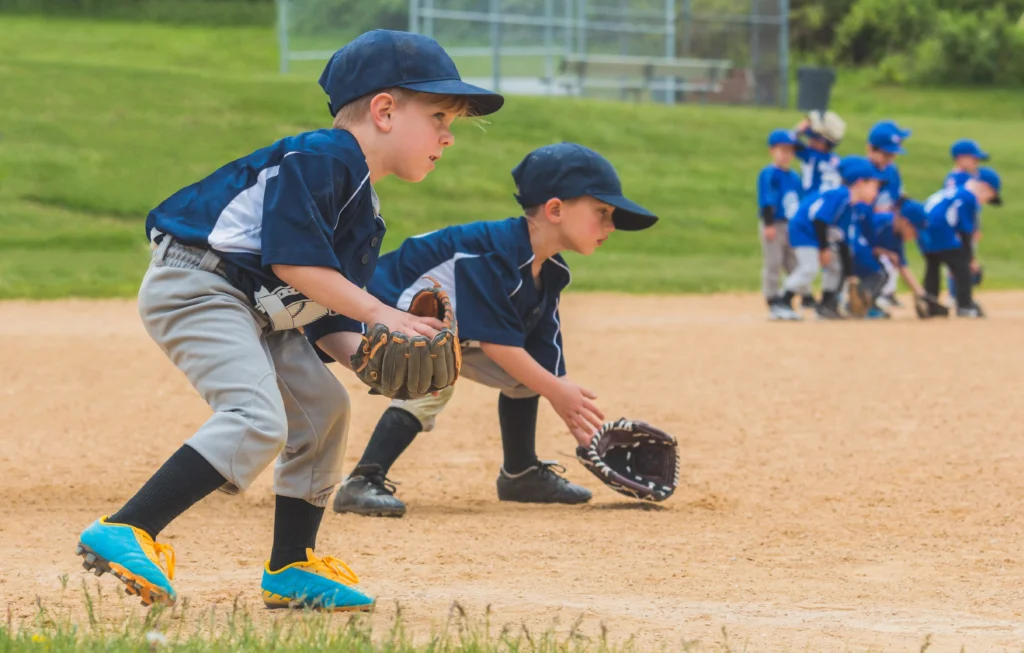
There’s no denying your child loves baseball. They’re always clamoring for more practice throws or backyard games with their friends. But while the physical activity is great, you do want to remain vigilant for one of the more common overuse injuries among young baseball players: the appropriately-named Little League elbow.
Little League elbow isn’t serious, but it shouldn’t be left untreated. With the right care, most athletes recover well. The key is catching it early, giving the elbow time to heal, and building stronger throwing habits before heading back to the pitcher’s mound.
What Is Little League Elbow?
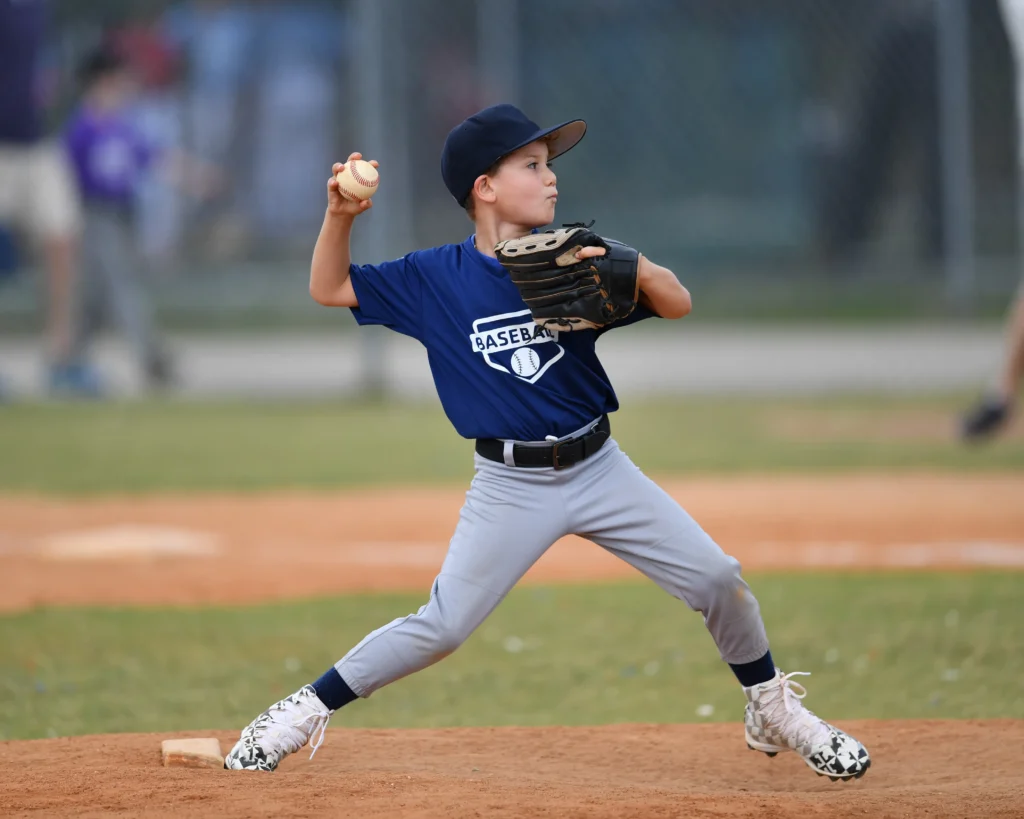
Little League elbow occurs when the growth plate near a child’s inner elbow becomes irritated due to repeated throwing. Remember, kids and teens are still growing. Repeated throwing motions put a lot of stress on the growth plates of the not-yet-full-formed elbow structure, which can lead to pain and inflammation.
It gets its name because it often affects young baseball players. However, it can also happen to other young athletes who repeatedly perform throwing or swinging movements, including softball players, quarterbacks, and tennis players.!
Signs to Watch Out For
- Pain on the inside of the elbow
- Soreness during or after throwing
- Reduced throwing speed or accuracy
- Swelling or tenderness near the inner elbow
- Stiffness or trouble fully straightening the arm
- A “pop” or sudden sharp pain during a throw
- Avoiding throws or changing throwing motion
- Pain that improves with rest but returns with activity
My Child Has Elbow Pain. Now What?
Pain isn’t a normal part of youth sports. If your child tells you that throwing hurts–or if you notice them repeatedly rubbing their elbow after practice–it’s time to stop throwing and have the injury assessed.
Taking a break from pitching and icing the elbow can help manage symptoms early on, but neither will address the injury itself. If your child’s elbow pain lingers for more than a few days, returns every time they throw, or affects their throwing mechanics, then they’ll benefit from more comprehensive care at Alpine Physical Therapy and Sports Performance. And the earlier you seek treatment, the less time they’ll need to spend away from the sport they love.
Patient Success Story
“I am a collegiate athlete recovering from a major knee injury. I was able to work with Kelsey at Alpine for only a month between semesters, and I saw a 15% strength increase in only that month! She was so kind while also pushing me to my limit every session. I greatly appreciate the work they did for me as it’s gotten me steps closer to returning to the court. Additionally, the facility itself was very nice and had everything you could need. Highly recommend!!” – C.
Addressing Little League Elbow with Physical Therapy
Because Little League elbow is often caused by a combination of overuse, strength deficits, mobility limitations, and throwing mechanics, treatment focuses on addressing the whole athlete, not just their elbow.
We’ll start with a comprehensive evaluation of the elbow, shoulder, spine, hips, and lower body to identify the specific areas that need attention. We’ll also recommend activity modifications to allow the irritated tissues to heal as we work through the treatment plan.
Treatment plans will vary from athlete to athlete, but generally include hands-on care, mobility work, progressive strengthening, and sport-specific exercises.
Preventing Injury is the Best Way to Treat It
While our team is always here if your child complains of elbow pain, we also recommend taking steps to prevent Little League elbow from developing in the first place. That way, they can avoid the bench entirely.
The key to preventing Little League elbow is to reduce the overload of the growth plate. You can do this by:
Taking Breaks
Staying Well-Rounded
Being a Smart Athlete
Game, Set, Match: Returning to Sports After Tennis Elbow
Recovering from tennis elbow takes patience and a structured plan. Returning too quickly can aggravate symptoms and delay recovery. Our physical therapists will help you progress safely through each phase so you can confidently return to the activities and sports you enjoy.
Phase 1: Build Your Foundation
- Go to Pain, Not Through Pain: Daily activities and prescribed strengthening exercises should cause little to no discomfort.
- Restore Mobility: Regain full range of motion in the elbow, wrist, and forearm.
- Improve Strength: Build grip strength and forearm endurance to handle everyday functional tasks.
- Address underlying movement patterns and contributing factors with guidance from your therapist.
Phase 2: Gradual Return
- Begin activities that do not increase your pain during or after participation.
- Sport-Specific Drills: Reintroduce movement patterns at lower intensity and volume.
- For tennis players, this may include shadow swings or light groundstroke practice.
- Listen to Your Body: If pain begins to increase and continues to worsen, stop and consult your therapist.
Phase 3: Back in the Game
- Gradually increase resistance, repetitions, and training volume.
- Progress toward drills and activities performed at game-like intensity.
- Continue monitoring symptoms and recovery between sessions.
- Game On! Once you can perform at full intensity without pain, you’re ready to return to competition and recreational play.
Help Your Athlete Stay in the Game
Little League elbow can be frustrating, but it is manageable. With early attention and a smart rehab plan, young athletes can often return to the sport they love stronger and better prepared. If your child is dealing with elbow pain or you want to reduce their injury risk this season, contact Alpine Physical Therapy and Sports Performance today to schedule an initial evaluation.
Exercise of the Month
SIDE BRIDGE
(Obliques, Core)
Lie on your side with your elbow directly under your shoulder and your legs stacked. Lift your hips off the ground, creating a straight line from your head to your feet. Hold this position while keeping your core engaged and your hips level. Switch sides after each set.
Materials Needed: Floor Mat
Healthy Salmon Risotto
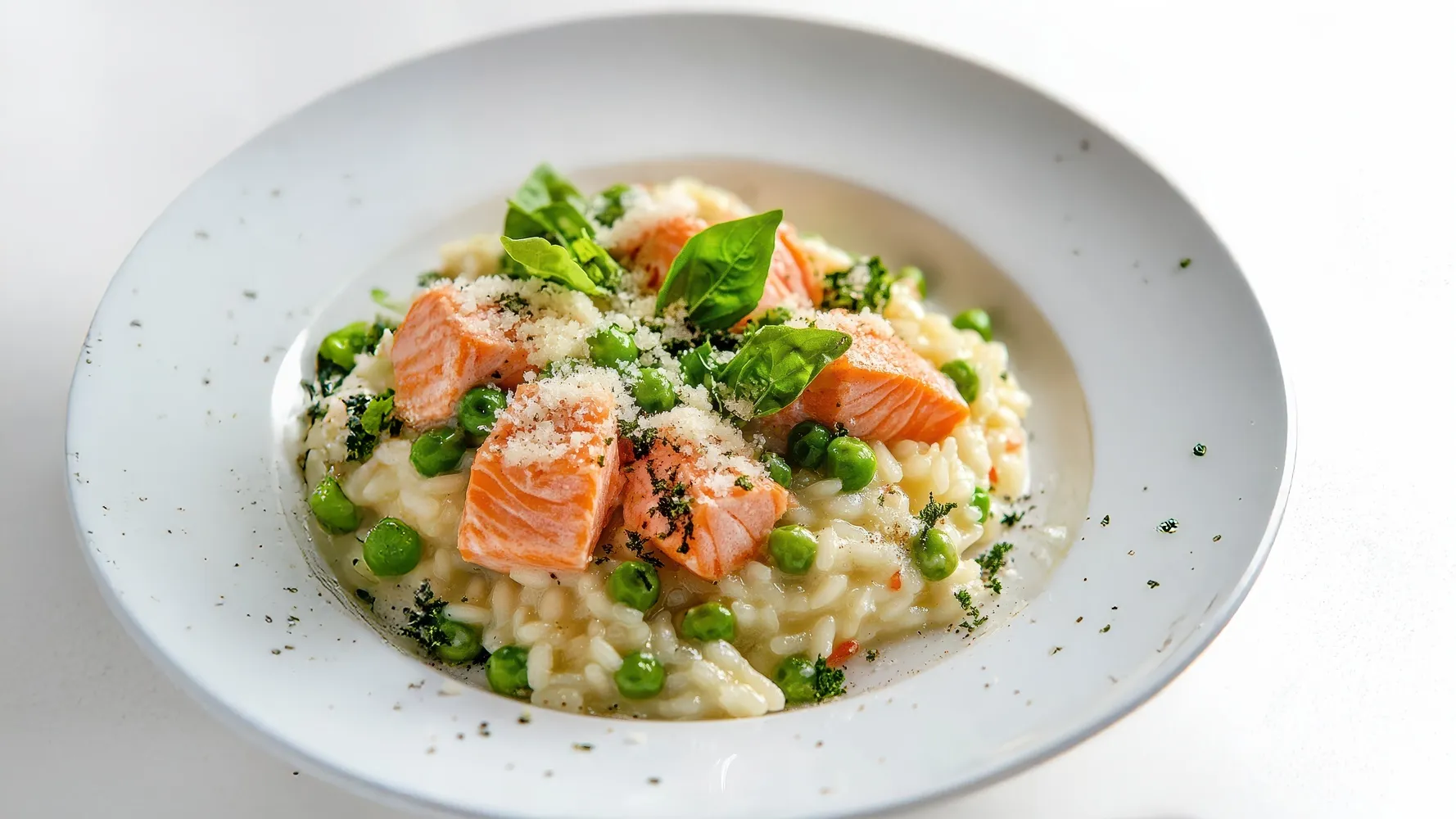
A protein-packed, creamy risotto loaded with salmon, spinach, and peas for a balanced meal that supports recovery and overall health.
Ingredients
- 1 lb salmon fillet
- 1 cup arborio rice
- 1 small shallot, finely diced
- 3 cloves garlic, minced
- 4 cups low-sodium chicken or vegetable broth, warmed
- 1 cup frozen peas
- 2 cups baby spinach
- 1 tbsp olive oil
- ½ cup grated Parmesan cheese
- Juice of ½ lemon
- 1 tsp lemon zest
- Salt and pepper, to taste
- Optional: fresh parsley or dill for garnish
Directions
Preheat the oven to 400°F (200°C). Place the salmon on a baking sheet, season with salt, pepper, and a squeeze of lemon, and bake for 12–15 minutes or until flaky. While the salmon cooks, heat olive oil in a large skillet over medium heat and sauté the shallot for 2–3 minutes until softened. Add the garlic and cook for 30 seconds, then stir in the arborio rice and toast for 1 minute. Begin adding the warm broth about ½ cup at a time, stirring frequently and allowing each addition to absorb before adding more. Continue until the rice is creamy and tender, about 25 minutes. During the last 5 minutes of cooking, stir in the peas and spinach. Remove the risotto from the heat and mix in the Parmesan cheese, lemon juice, and lemon zest. Flake the cooked salmon into large pieces and gently fold it into the risotto. Taste and adjust seasoning as needed, then garnish with fresh parsley or dill before serving.