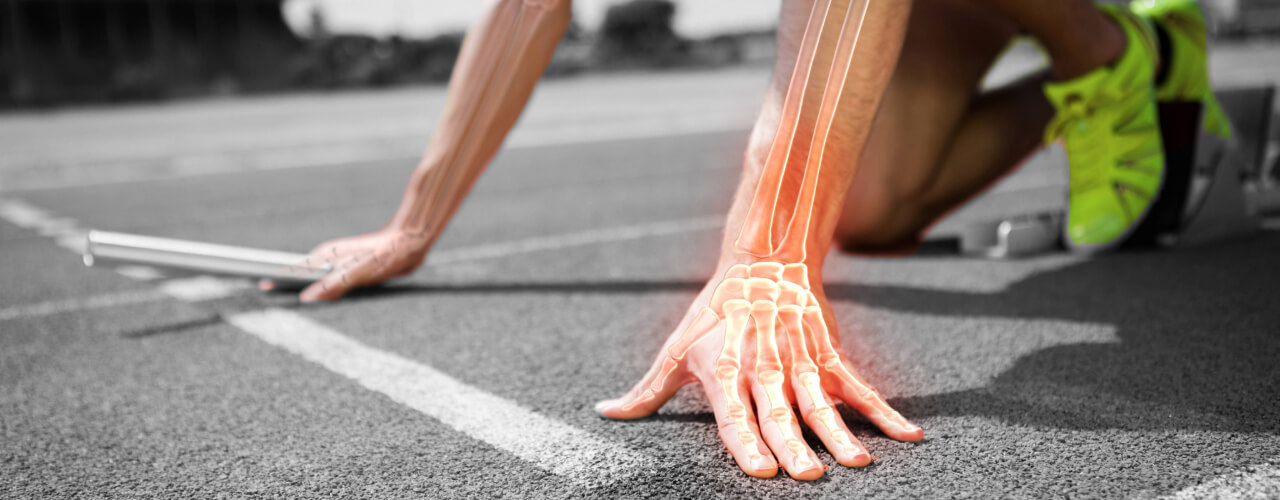

Stay in the Game with Sports Injury Prevention Techniques
Sports-related injuries rank among the most prevalent health issues for athletes, often resulting in reduced performance and withdrawal from competition. Sports injury prevention with physical therapy aims to minimize both the frequency and severity of sports-related injuries and prevent re-injury.
At Alpine Physical Therapy and Sports Performance, we specialize in prevention techniques to keep you strong, keep you in the game, and minimize the need for surgical interventions.
Call our clinic today to book an appointment for a personalized sports injury prevention plan with our skilled physical therapists!
Common Athletic Conditions that Benefit from Sports Injury Prevention
Recent studies concluded that muscle and tendon strains and ligament sprains are the most common sports-related injuries. Our sports injury prevention programs help protect athletes from injuries resulting from overuse, wear and tear, and improper technique.
Running is a widely embraced activity for sport and exercise. However, research indicates that more than 50% of runners experience injuries each year. Runners report a range of injuries, many of which can be prevented through sports injury prevention strategies, like:
- Runners Knee: Pain around the kneecap, often caused by overuse, misalignment of the knee, or weaknesses in the thigh muscles.
- Shin Splints: Pain along the inner ridge of the shinbone, typically resulting from repetitive stress on the shinbone and the connective tissues attaching muscles to the bone.
- Plantar Fasciitis: Sharp heel pain stemming from inflammation of the thick band of tissue that connects the heel bone to the toes.
- Ankle Sprains: Occur when the ligaments that support the ankle stretch beyond their limits or tear, often due to twisting or rolling the ankle.
ACL (anterior cruciate ligament) injuries are the most common sports-related knee injuries, especially in athletes who frequently have to cut, pivot, decelerate, and change directions, like in football, soccer, and basketball.
Baseball players can sustain injuries from the stress of repetitive throwing, often leading to ligament strains in the elbow. Hip, knee, and ankle injuries can also occur from sliding into bases at high speed or chasing after a ball.
The high-intensity nature of competitive swimming can result in what is commonly referred to as “Swimmers Shoulder,” a condition that causes pain in the shoulder as a result of overuse and misuse during training and competition.
Our Physical Therapy Approach to Sports Injury Prevention
Physical activity, including sports and recreational participation, is a cornerstone of a healthy lifestyle. Our physical therapy treatments include key principles of sports injury prevention to help you stay in the game.
- Evaluation: We’ll conduct a comprehensive assessment to understand your health history, previous injuries, and any existing conditions you are experiencing. Then, we’ll perform in-depth movement screens that assess strength, balance, coordination, and mobility. And finally, we’ll talk about any questions or concerns you have about physical therapy and set achievable goals for success.
- Stretching and Mobility Work: You will be guided through specialized stretching exercises and tailored mobility drills designed and aligned with your sport and condition-specific needs.
- Muscle Strengthening: Your physical therapist will develop a customized strengthening plan tailored to support important aspects of sports performance.
- Strength
- Endurance
- Power
- Speed
- Return to Sports Training: Our physical therapists can help you correct any improper technique and form when executing sport-specific skills. We’ll continually adapt your program to your level of activity and sport.
Our devoted team of sports physical therapists employs the most effective strategies and techniques for injury prevention. We will work closely with you to create proactive programs to prevent sports-related injuries and keep you in the game.
Call Alpine Physical Therapy and Sports Performance today to schedule your physical therapy appointment and take your first steps toward sports injury prevention.